
Queer Xicanx Leaders Shaping Culture, Space, and Survival in Barrio Logan
By Cesar A Reyes
The intersection of being Queer and Xicanx can be difficult to navigate. For many of us, there’s a constant tension between wanting to show up as our full, authentic selves and still feeling a sense of belonging in the cultural spaces that raised us. Sometimes those spaces don’t feel made for us at all.
Barrio Logan has long been one of those places—familiar, deeply rooted in cultura, but not always openly welcoming to a queer Latino experience like mine. Or at least, that’s how it used to feel.
Lately, something has been shifting.
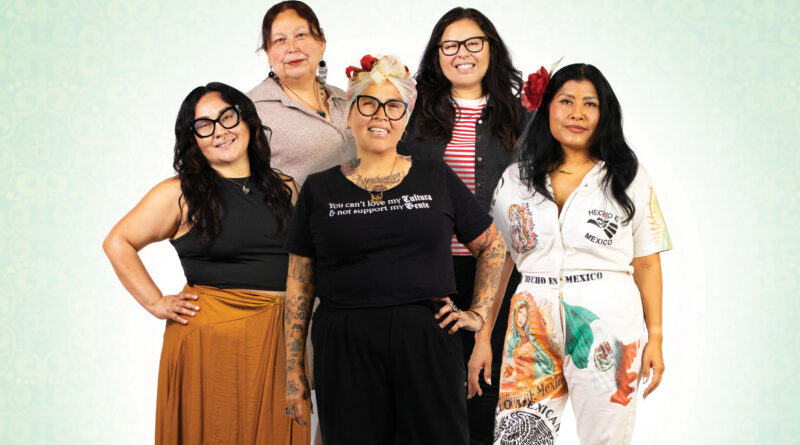
A different side of the Barrio is emerging—one led by Queer Xicanx artists, organizers, and cultural workers who are not only visible, but actively shaping what survival and resistance look like in a neighborhood facing ongoing gentrification. They are building and holding down arts spaces, organizing within local business corridors, and pushing community efforts that keep Barrio Logan alive on its own terms, not outside ones.
What’s happening isn’t just representation—it’s reclamation. It’s care. It’s strategy. And it’s changing who gets to feel at home here.
Meet five leaders who are doing that work in real time, and who are helping open the door for other queer people to not just visit Barrio Logan, but feel like they belong in it. Click on the image for the full interview
Betty Bangs
Artist, DJ, Activist

Bucky Montero
Subcultura Curation

Julia Corrales
Executive Director of Tierras Indígenas Community Land Trust

Marisa Aguayo
Executive Director of All For Logan co-founder of Shelltown Resilience

Monica Hernandez
Executive Director of the Chicano Park Museum and Cultural Center

Xicanx is a gender-inclusive identity term used by people of Mexican and Indigenous Mexican descent. The shift from “Chi” to “Xi” reflects a move toward Indigenous-centered language and decolonial identity, while the “-x” ending removes gendered language to include non-binary and gender-expansive people. Xicanx is often used to express cultural pride, political awareness, and connection to both Indigenous roots and contemporary Mexican-American experience.