

Pamuela Halliwell Receives Julia Legaspi Trans Leadership Award Recognizing Community Impact and Care
By Cesar A Reyes
For Pamuela Halliwell, San Diego has never just been a place on a map. It has been home, classroom, and catalyst. As Director of Behavioral Health Services at The San Diego LGBT Community Center, she moves between roles as a licensed marriage and family therapist, author, advocate, researcher, and a proud Black transgender woman committed to expanding access to affirming care. Her work is grounded in a simple but urgent mission: making sure LGBTQ+ people, especially transgender and gender-diverse community members, can find spaces where they feel seen, safe, and valued.
That commitment is what makes this year’s Julia Legaspi Trans Leadership Award at the Spirit of Stonewall Awards feel so personal. “Receiving the Julia Legaspi Trans Leadership Award is incredibly humbling and emotional for me, especially as a Black transgender woman born and raised here in San Diego,” she shares. The recognition did not come out of nowhere. She remembers standing at last year’s ceremony, witnessing the award first being given to her friend Bliss Vásquez, and feeling the weight of what it meant. “I remember standing outside feeling deeply moved that our community was intentionally creating space to uplift transgender leadership and preserve Julia Legaspi’s legacy,” she says. “To now receive this award a year later feels surreal and profoundly meaningful.”
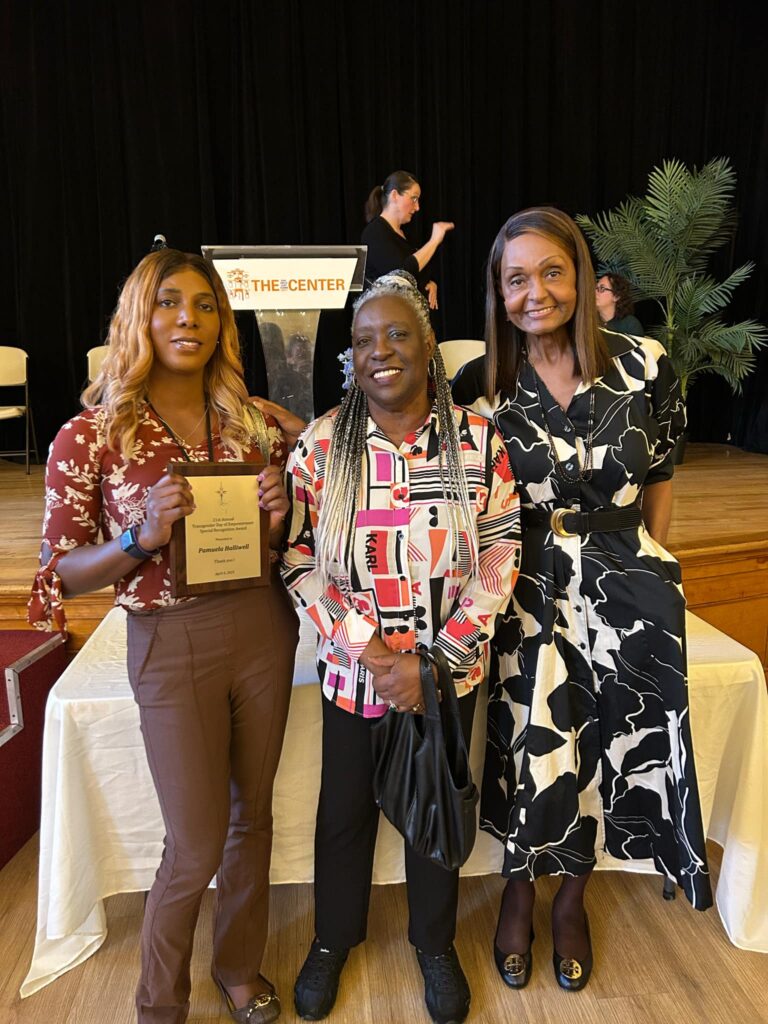
For Halliwell, the honor is inseparable from the realities facing transgender people today. She sees those struggles up close through her clinical work at The Center, where she and her team support LGBTQ+ youth and adults navigating trauma, substance use, grief, depression, anxiety, and the daily strain of living in a world that too often feels unsafe. Much of that care includes gender-affirming support for people seeking medically necessary services, but the work is just as much about restoring hope as it is about treatment.
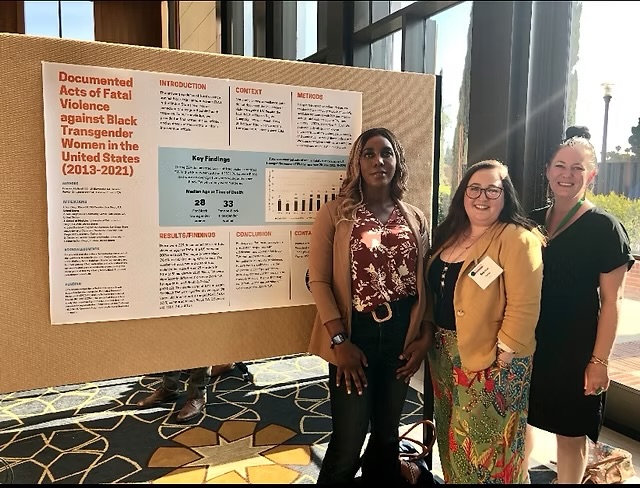
Her perspective is also shaped by research that confronts difficult truths. Her published work on fatal violence against Black transgender women examines how racism, transmisogyny, and structural inequality intersect with devastating consequences. That academic lens informs her advocacy, but it never replaces the human stories behind it. She also turns to storytelling as a form of healing, including her fantasy realism series Grieving Still, where a Black transgender protagonist named Prue navigates grief, identity, and power alongside themes of ancestral healing and survival. Through fiction, she explores what many communities live daily: loss, resistance, and the search for light in the midst of systems built to erase them.
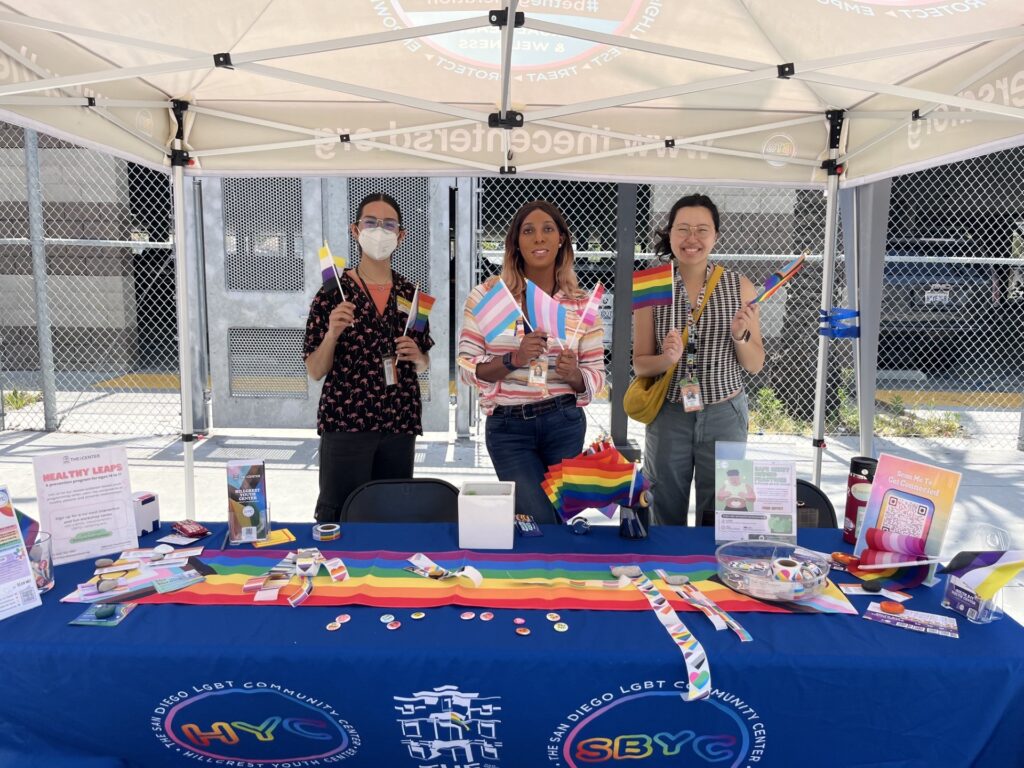
That same urgency carries into her view of San Diego Pride. “San Diego Pride is important because it is far more than a single weekend celebration. It is a year-round force for advocacy, education, visibility, and community connection,” she says. In a time of rising political attacks on transgender healthcare, education, and bodily autonomy, she sees Pride as both celebration and infrastructure, a reminder that joy and organizing are deeply connected.
Representation, she adds, is not symbolic. It is the foundation for community. “Representation humanizes our experiences and reminds LGBTQ+ people, especially transgender youth and adults, that they are not alone.” she explains. It is also, she believes, a form of protection, a way to interrupt isolation and remind LGBTQ+ people they are not alone, even when policy and public rhetoric suggest otherwise.
When asked what she looks forward to most at Pride, her answer is simple: connection. Being in community, seeing creativity, and witnessing joy that refuses to be dimmed. It is that sense of shared presence that ties everything together for her, clinical work, advocacy, research, and storytelling.
At the center of it all is a single WORD she returns to again and again: “Belonging.” As she puts it, “So much of my life and work centers around helping people feel like they belong, in their communities, in their families, in their bodies, and within themselves.” For Halliwell, belonging is the foundation of healing, the goal of advocacy, and the promise she continues working to make real for others, especially Black and Brown transgender youth who deserve to know they are not only seen, but truly valued.