
Jeffrey Schwarz’s Mineshaft: The Cruising Murders looks beyond controversy to honor a forgotten LGBTQ+ community
By Cesar A Reyes
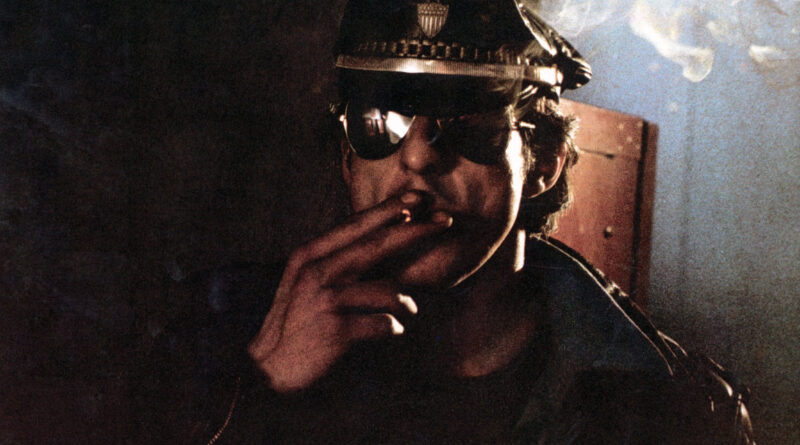
Jeffrey Schwarz has spent much of his career documenting pivotal moments in LGBTQ+ history, but Mineshaft: The Cruising Murdersmay be his most compelling work yet. Blending film history, true crime, and queer activism, the documentary revisits William Friedkin’s controversial 1980 film Cruising while uncovering the real-life murders that inspired it. In doing so, Schwarz shifts the conversation away from the controversy alone and toward the people whose lives have too often been forgotten.
Schwarz’s fascination with Cruising dates back to the early 1990s after he came out and discovered Vito Russo’s groundbreaking book The Celluloid Closet. Russo’s critique of the film sparked a curiosity that stayed with him for years.
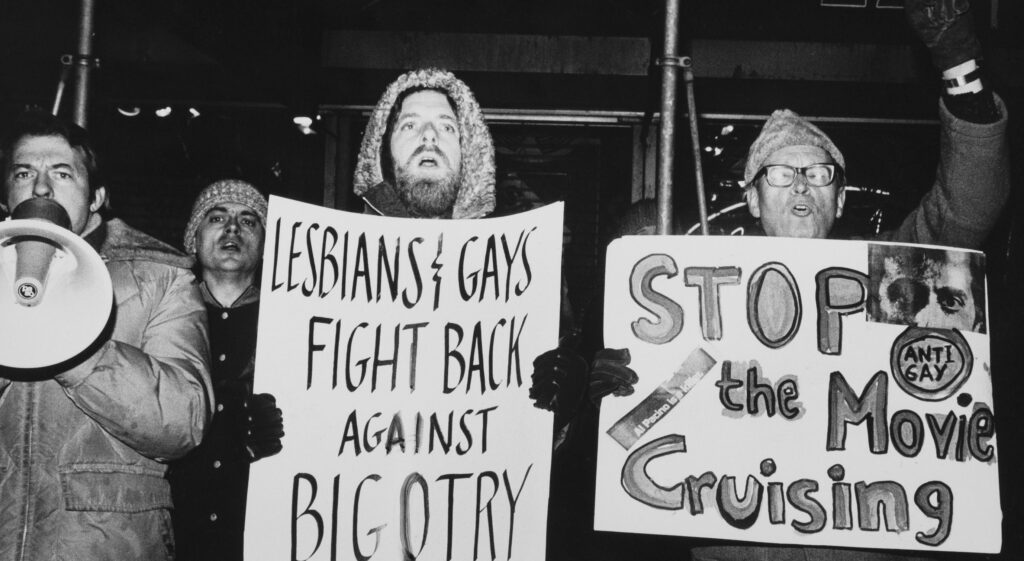
“I became obsessed with understanding how a single movie could mobilize thousands of people into the streets,” Schwarz says. As he researched the protests surrounding the film, he uncovered a much larger story—one that had remained largely overlooked for more than four decades.
“Suddenly I wasn’t just making a film about a controversial movie,” he explains. “I was uncovering a true crime story that had been hiding in plain sight for forty years.”
That discovery transformed the documentary into something far more personal. At its heart is Addison Verrill, a young Variety journalist whose murder became one of the inspirations for Cruising. Rather than allowing him to remain a footnote in film history, Schwarz wanted to restore his humanity.
“Addison Verrill was a talented young entertainment journalist,” he says. “He was a real person with a life, a partner, a family, ambitions, and a future—and he deserves to be remembered for how he lived, not just how he died.”
The timing of the documentary also carries special significance. As debates continue over LGBTQ+ visibility and the preservation of queer history, Schwarz believes stories like this are more important than ever.
“We’re living through a moment where LGBTQ+ history is under active threat,” he says. “Books are being banned, grants are being defunded, and our stories are being erased from the public record.”
For Schwarz, documentaries serve as living archives, preserving stories that might otherwise disappear. He sees Mineshaft as part of a tradition established by landmark films such as The Times of Harvey Milk and Paris Is Burning.
The emotional center of the documentary emerged when Schwarz connected with Addison Verrill’s loved ones, including his partner Bob and sister Pamela.
“Their willingness to share their memories and reclaim his story gave the film its emotional heart,” he says.
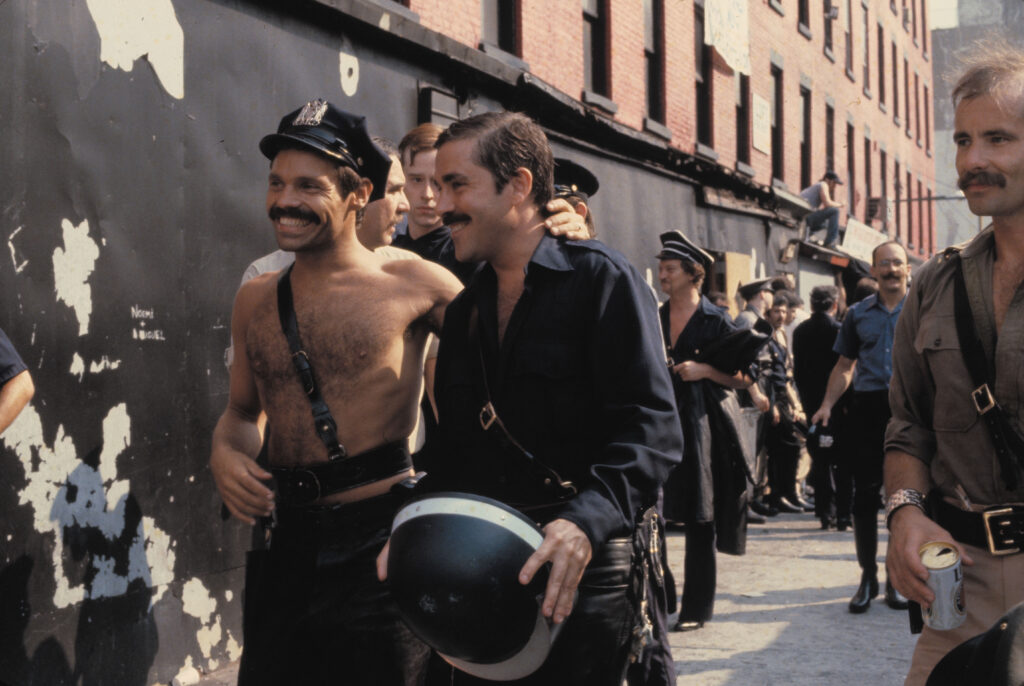
Beyond revisiting a controversial film, Mineshaft: The Cruising Murders also offers a richer portrait of New York’s leather community. Rather than reinforcing decades-old stereotypes, Schwarz presents a culture built on connection, identity, and resilience before it was devastated by the AIDS epidemic.
“The leather community of 1970s New York has been caricatured and demonized,” he says. “What Mineshaft reveals is a community with its own culture and forms of solidarity and care.”
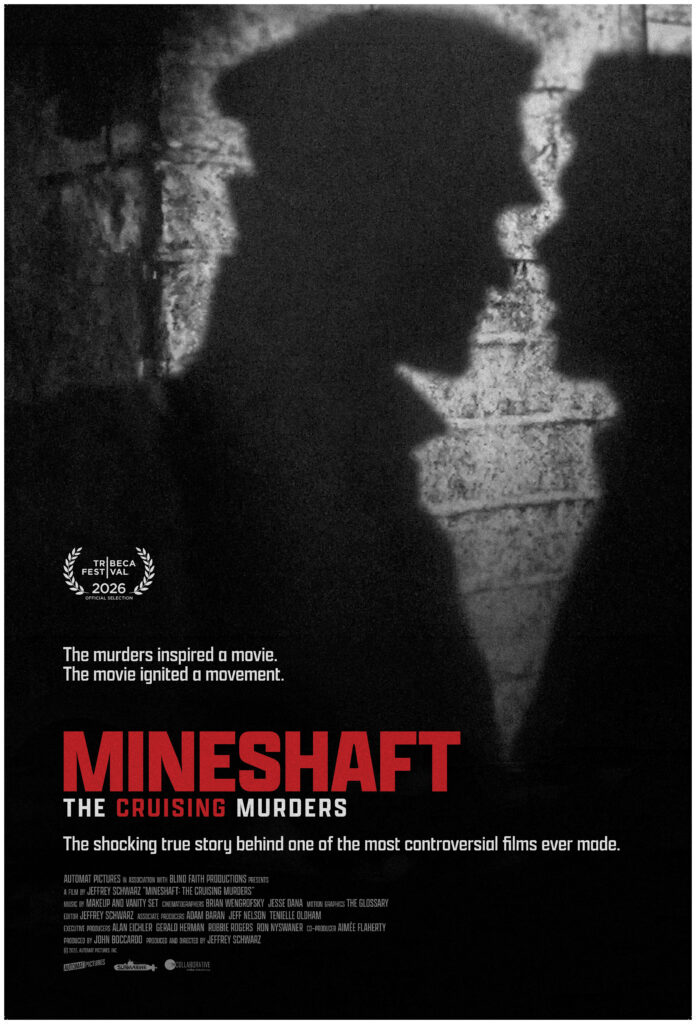
By the film’s conclusion, Mineshaft: The Cruising Murders becomes more than a documentary about a Hollywood controversy or an unsolved crime. It is an act of remembrance, honoring a generation of LGBTQ+ people whose stories deserve to be preserved.
“I hope audiences leave with a sense of the full humanity of the people in this film,” Schwarz says. “This film is my attempt to say that they were here and deserve to be remembered.”