

Sergio Tovar Velarde’s La Divina Tragedia Examines Love, Family, and the Stories That Define Us
By Cesar A Reyes
For filmmaker Sergio Tovar Velarde, movies are like photographs. They preserve a moment in time, capturing the emotions, relationships, and experiences of a world that is constantly changing. A decade after Cuatro Lunas introduced audiences to his thoughtful exploration of LGBTQ+ lives and relationships, Velarde returns with La Divina Tragedia, a story about heartbreak, rebuilding, and the unexpected connections that become family.
“When I think about filmmaking, I often compare it to photography,” Velarde explains. “A photograph has the power to preserve the essence of a very specific moment—a Christmas, a trip you’ll never take again, a fleeting instant in someone’s life. Films can do the same thing. They capture a moment in time.”
That idea became the inspiration behind La Divina Tragedia. After ten years of cultural shifts and personal growth, Velarde wanted to capture the emotional landscape of the LGBTQ+ community as it exists today.
“A film that once felt completely current eventually becomes a portrait of a world that no longer exists,” he says. “People change, society changes, and the conversations around us change too. That’s what inspired La Divina Tragedia. I wanted to capture where we are now.”
At the heart of the film are two half-brothers from different generations who find themselves brought together despite their very different views of life. While they initially struggle to understand one another, Velarde sees their relationship as a reflection of the shared human experiences that connect us all.
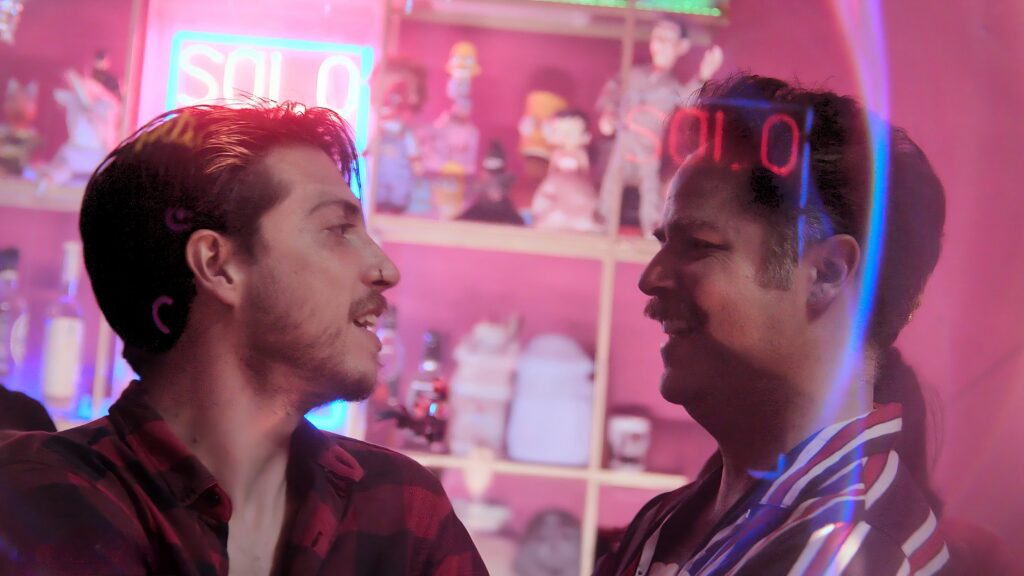
“What interests me isn’t their differences,” he says. “It’s everything they secretly share.”
Through Cristián and Roy’s journey, the film explores family, self-worth, and the ways people search for love and acceptance. Velarde believes that while each generation faces its own challenges, many of our deepest struggles remain the same.
“I think every generation believes it’s facing challenges that are completely unique,” he explains. “Yet underneath we often find the same fears, the same longing to be loved, the same need to belong, and the same struggle to accept ourselves.”
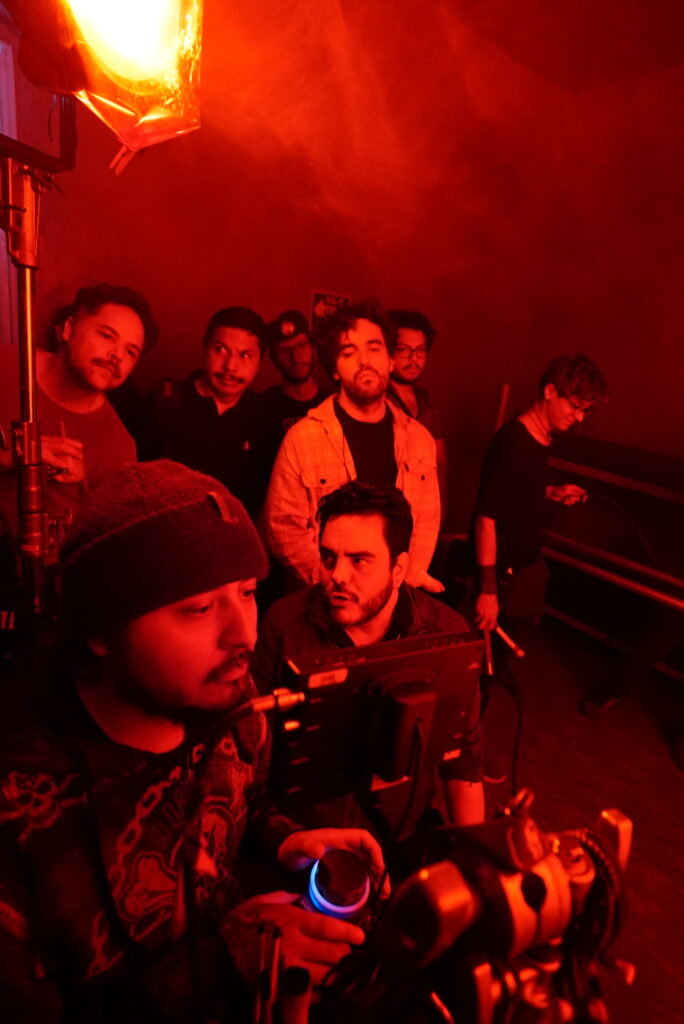
The film also reflects how much LGBTQ+ culture has changed over the past decade. Velarde has witnessed increased visibility and representation, but he also recognizes the importance of telling authentic stories that reflect the complexity of real lives.
“I’ve seen more representation in film and television, though not necessarily more faithful portraits of our lives,” he shares. “I’ve seen more diverse voices emerge, but not always moving in the same direction. I’ve seen greater unity, but also greater division.”
Rather than focusing only on coming out or overcoming discrimination, La Divina Tragedia looks at what comes next—the complicated reality of relationships, mistakes, humor, and healing.
“We’re just as contradictory, funny, selfish, generous, loving, and flawed as anyone else,” Velarde says. “I think the more stories we tell, the richer and more honest that portrait becomes.”
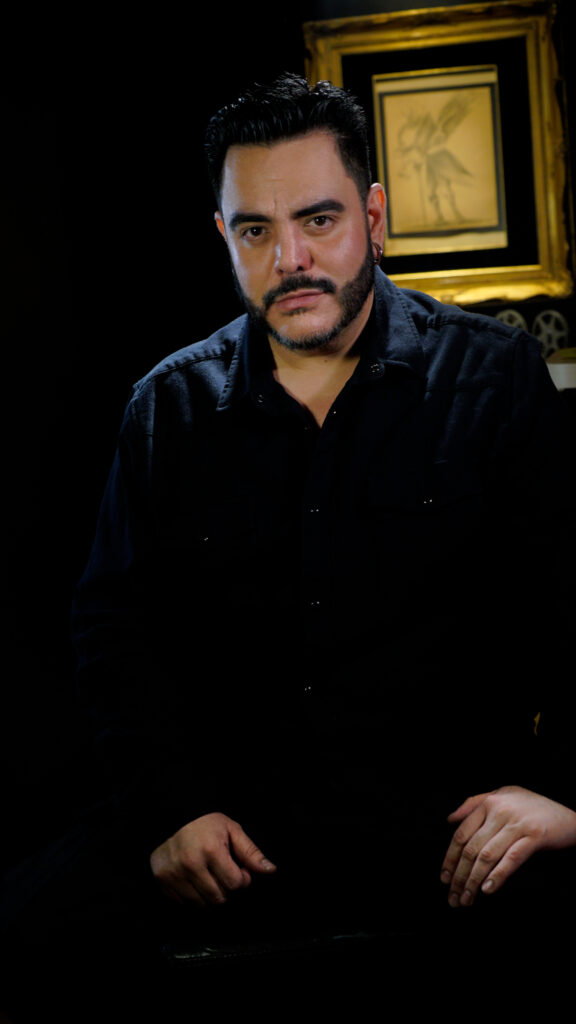
As the film screens at FilmOut San Diego Film Festival, Velarde celebrates a festival that has helped create a home for queer filmmakers and audiences.
“FilmOut has been supporting queer filmmakers long before it became common to do so,” he says. “Festivals like FilmOut have helped create and sustain a space where queer stories can continue to grow and evolve.”
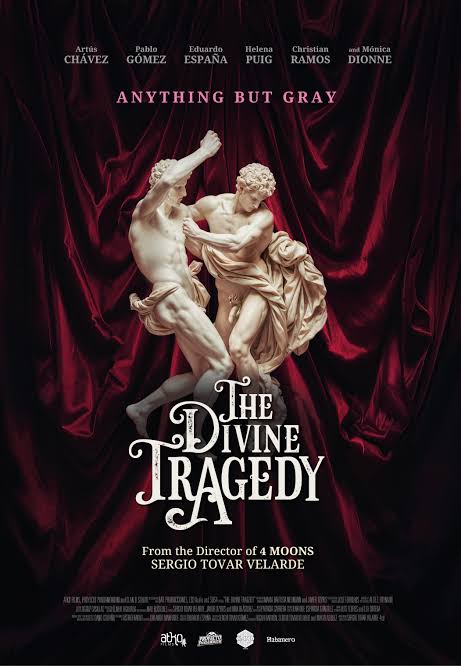
For Velarde, the greatest success of La Divina Tragedia is not simply being seen, but creating a moment of connection.
“If people leave the theater having laughed, feeling a little more compassion for imperfect people, and maybe deciding to call someone they love, then I’ll feel the film did what I hoped it would do.”