

Victoria Castro: Her Story, Her Voice, Her Power
Victoria Castro knows what it means to cross a border because your life depends on it. Born in Ahuachapán, El Salvador, Castro is a transgender woman, migrant, asylum seeker and survivor of trans-femicide and domestic violence. In January 2017, she arrived in the United States seeking asylum, carrying the weight of what she had survived and the uncertainty of rebuilding her life from scratch. Today, she lives in Chula Vista, just miles from the Tijuana border—a place that makes the borders in her own story feel both literal and personal.
For more than 17 years, Castro has turned survival into activism. She is the founder and executive director of T4T Empowerment: Desde un Corazón Trans, an organization focused on transgender leadership, community advocacy, HIV education and prevention, and building stronger networks for trans and migrant communities. Her advocacy has also included efforts to decriminalize sex work and end the detention of transgender people. But for Castro, the work has never been only about policy. It is about people being able to see themselves as more than what they have endured.
“I don’t want to create a story where a transgender migrant woman is presented only as a victim,” Castro says. That belief is at the heart of La Perla Victoria: Desde un Corazón Trans, a documentary in which she tells her own story, in her own voice. The film explores not only violence and displacement, but also love, family, intimacy, resilience, joy and the complicated process of discovering herself again. “Our trauma can be part of our story, but it doesn’t have to become our complete identity,” she says.
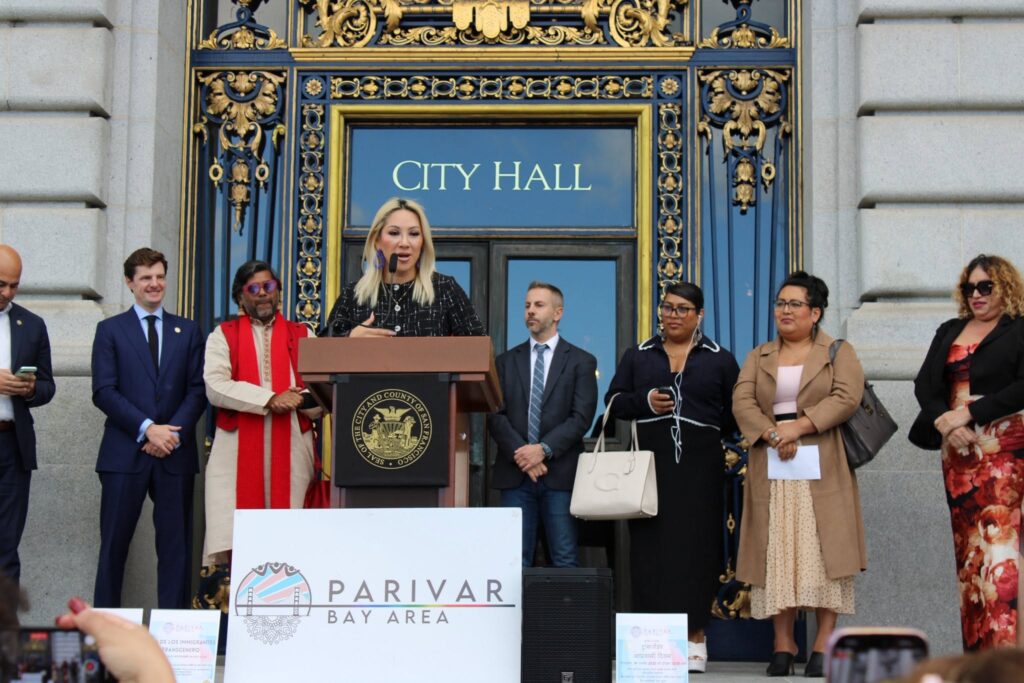
Castro is also studying Film, Journalism & Media Production at San Diego City College, drawn to the power of storytelling as another form of advocacy. Her perspective will shape her role as a speaker at VIDA’s inaugural Pride Without Fear Binational Conference in San Diego. Her message is simple but powerful: “We should not settle for surviving. We have the right to live fully.” For Castro, that means having the freedom to love, create, study, work, lead and dream.
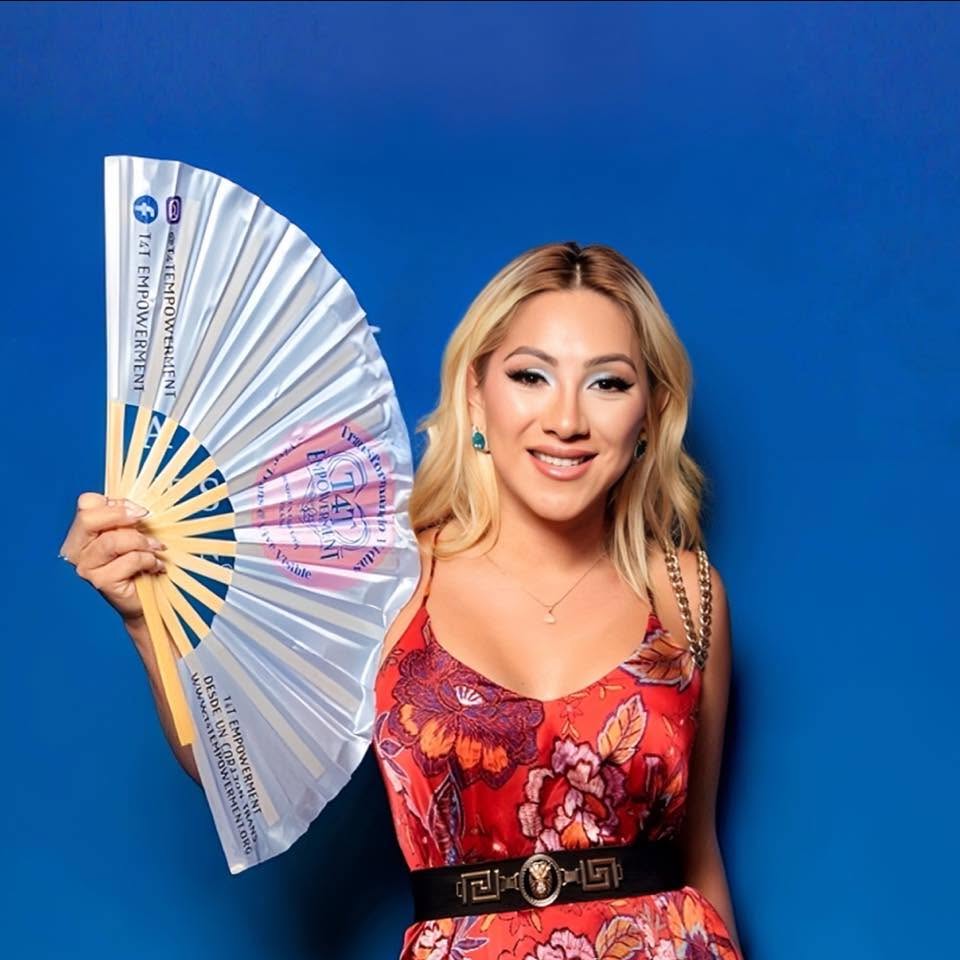
And then there is magic. Asked what The WORD Mágicomeans to her, Castro describes magic as “transforming what seemed impossible into something real.” She finds it in creating when the world says you cannot, loving after experiencing pain, imagining futures that do not yet exist and turning personal stories into movements. It is a fitting description of her own journey from surviving violence and displacement to becoming an advocate, filmmaker, leader and storyteller. For Castro, magic is not an escape from reality, but the courage to transform it.