
Stories That Deserve the Big ScreenThe San Diego Asian Film Festival Makes Room for LGBTQ+ Voices
By Cesar A Reyes
For 10 days every November, movie theaters become places where unfamiliar worlds feel closer, strangers find pieces of themselves in characters on screen, and stories that too often go unseen finally get their moment in the spotlight. The 27th San Diego Asian Film Festival, presented by Pacific Arts Movement (PAC ARTS), returns November 5–14 with more than 190 films from around the world. Among its many offerings is a vibrant collection of LGBTQ+ films that celebrates queer life in all its complexity, from outrageous comedy to tender, vulnerable moments.
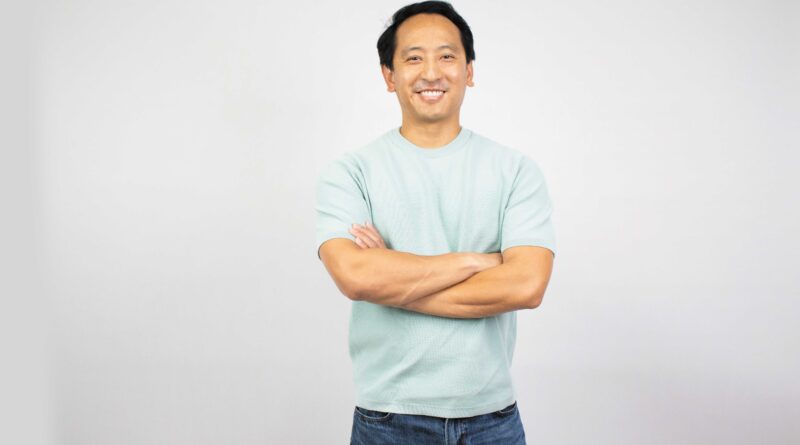
For Alex Villafuerte, executive director of PAC ARTS, making room for these stories is about ensuring that people see themselves reflected in the world around them, without having to leave parts of their identities behind.
“Our worlds and stories are CINEMATIC,” Villafuerte exclaims. “They deserve the big screen, and they deserve an audience.”
Founded in 2000, PAC ARTS has spent more than two decades bringing Asian and Asian American Pacific Islander stories to San Diego audiences. The annual festival is its most visible celebration, but the organization also works year-round in youth education, filmmaker development, and arts advocacy. At its heart is a simple belief: cinema can bring people together in ways that few other art forms can.
“A film can introduce you to someone whose life looks very different from yours and still leave you recognizing something of yourself in them,” Villafuerte explains. “That connection matters, especially when certain stories are being challenged, censored, or kept from audiences.”
That connection takes on particular meaning for LGBTQ+ Asian and Asian American audiences, whose experiences are not always represented in mainstream cinema or fully understood within their own communities. This year’s selections make space for queer characters who are funny, complicated, vulnerable, and unapologetically themselves. These are not stories that ask audiences to see LGBTQ+ people through a single lens. They invite viewers to experience the full range of queer life.
Take Zsazsa Zaturnah, in which a shy gay man swallows a magical rock and transforms into a flamboyant, voluptuous female superhero. Then there is Church Girl, about a lesbian who pretends to be Christian to impress her nonbinary crush. In The Layover, an ex-boyfriend’s grieving mother becomes an unexpected Christmas guest. The premises are wonderfully unpredictable, and together they reflect something important: queer stories have room for absurdity, romance, grief, reinvention, and plenty of laughter.
“Queer life and stories can be funny, messy, tender, and completely outrageous, and we deserve to see all of that on the big screen,” Villafuerte says.
For him, representation is not simply about putting LGBTQ+ characters in a movie. It is about giving audiences the opportunity to recognize themselves, discover someone else’s experience, and find the courage to begin conversations that might otherwise remain unspoken. Sometimes a film offers the words a person has struggled to find. Sometimes it helps a family see a loved one differently. And sometimes the experience is as simple, and as powerful, as sitting in a theater and realizing that other people understand your laughter or your tears.
“Seeing these stories on the big screen makes watching them a shared experience,” Villafuerte says. “You realize that something you thought only you experienced resonates with a room full of people.”
That sense of belonging is especially important at a time when LGBTQ+ visibility is facing renewed challenges. The festival’s LGBTQ+ programming, supported by the San Diego Human Dignity Foundation, brings queer stories from across Asia, the Asian diaspora, and San Diego’s own community to the screen. It also offers the broader public an opportunity to look beyond stereotypes and headlines and encounter people through their own stories.
Villafuerte knows the work of keeping an arts organization thriving is not without its challenges. Now in his fourth year as executive director during the festival, he remains passionate about what happens when audiences show up, filmmakers share their work, and a community gathers around stories that deserve to be heard.
For 10 days, the festival transforms moviegoing into an invitation to listen, laugh, cry, and leave with a little more understanding than you brought in.
“We take stories that might otherwise go unseen and shine a gigantic spotlight on them,” Villafuerte says. “For 10 days, we take over the theater, and the space is ours.”
For LGBTQ+ audiences who have waited to see their lives reflected on the big screen, that space holds profound importance. And for anyone willing to walk into the theater with an open mind, the invitation is just as meaningful: come for the films, stay for the stories, and discover how much closer we can feel to one another when we finally have the chance to see each other.