

Toni Atkins Reflects on Legacy, Visibility, and Community as She Receives Luminary Icon Award
By Cesar A Reyes
For more than four decades, Toni Atkins has helped shape California politics while carrying the voices of LGBTQ people into rooms where they were once ignored. This year, the San Diego LGBTQ Community Center is honoring that legacy by naming Atkins a recipient of its Luminary Icon Award, recognizing not only her historic political career, but the deeply personal commitment that has fueled every step of it.
“It’s such an honor,” Atkins says. “I don’t take it for granted. To be able to do this work with community and with other people has been the joy of a lifetime.”
The recognition feels fitting for someone whose life has been intertwined with San Diego’s LGBTQ community almost from the moment she arrived here in 1985. Atkins came to California from rural southwest Virginia to help her sister, who was serving in the United States Navy and needed support caring for her son. California had long represented freedom and possibility for her, but San Diego gave her something she had never truly experienced before: belonging.
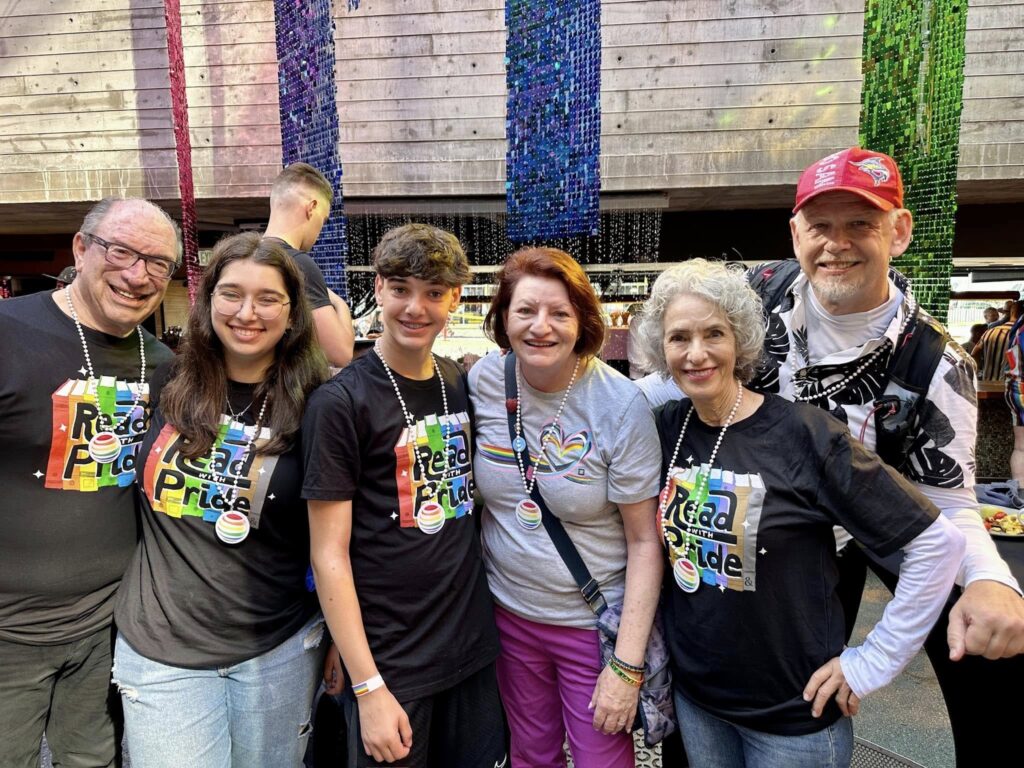
“I always wanted to be in California,” she says. “So it was really exciting to be here.”
Back in Virginia, Atkins had come out at 17 years old in a deeply conservative environment where LGBTQ visibility barely existed. There were no centers, no public role models, and very few places where queer people could safely gather. So when she arrived in San Diego and discovered an organized LGBTQ political community, it changed her life.
“I was so thrilled to find an LGBTQ political organization,” she recalls.
She quickly became active in the San Diego Democratic Club while also working at WomanCare Clinic, a feminist women’s health center focused on reproductive healthcare and advocacy. It was there she met Christine Kehoe, the trailblazing politician who would become both her mentor and close friend. When Kehoe became the first openly LGBTQ person elected in San Diego, she asked Atkins to join her staff at City Hall.
Atkins still remembers the electricity surrounding that moment.
“Her election was a movement,” she says. “It wasn’t just an election. It was a movement.”
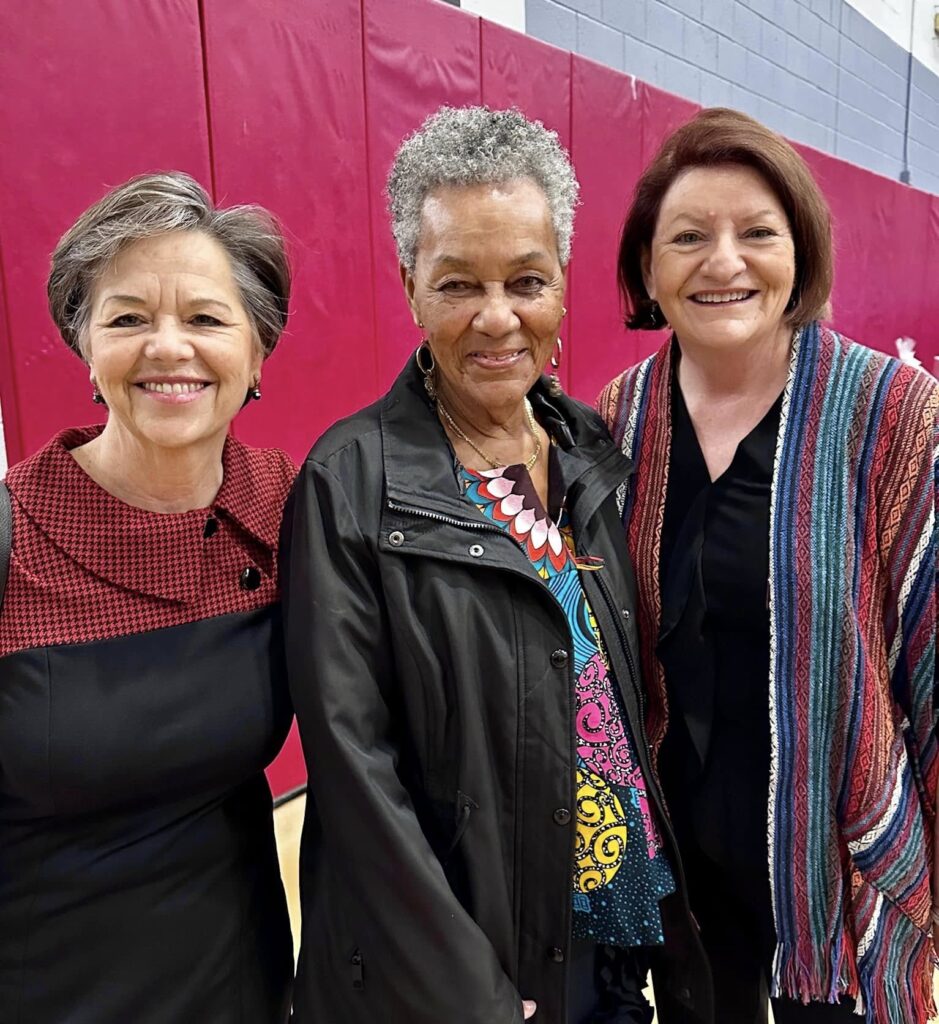
For many LGBTQ San Diegans, Kehoe’s victory represented the first time they saw themselves reflected in political power. Atkins became part of that history firsthand, helping push forward issues that had long been ignored while building stronger visibility for queer people in local government.
After seven years working alongside Kehoe, Atkins received encouragement she never expected.
“Chris told me, ‘You need to run to take this seat after me,’” Atkins says. “And I was petrified because I loved being part of a team.”
The admission feels refreshingly human coming from someone who would go on to become one of the most influential leaders in California politics. Atkins never speaks about power in terms of status or ambition. Instead, she talks about collaboration, community, and responsibility. She describes herself as someone shaped by growing up a twin, playing team sports, and believing deeply in collective work.
Still, she stepped forward.
She won a seat on the San Diego City Council, later served as acting mayor, and eventually moved to Sacramento where her political rise became historic. Atkins served as Speaker of the California State Assembly before becoming President pro Tempore of the State Senate, one of the highest-ranking positions in California government.
Despite the groundbreaking titles, she still talks about her rise with humility and humor.
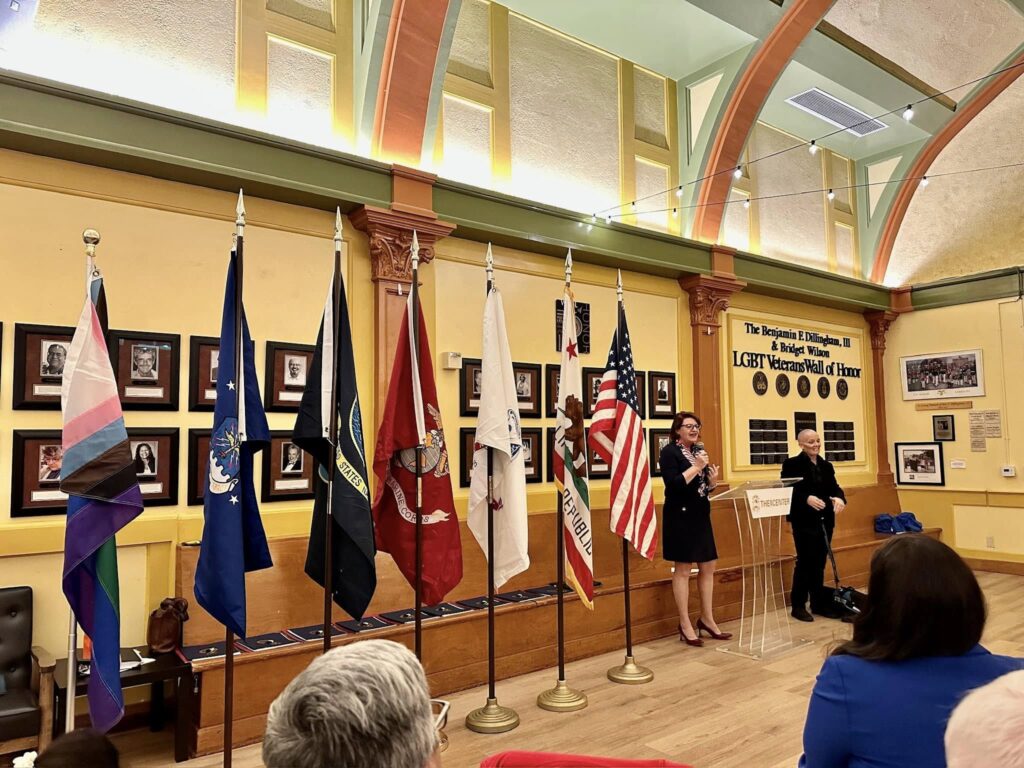
“I joke and say I’m the most accidental Speaker ever because it just sort of fell together,” she says laughing.
But there was nothing accidental about the impact she made. During her years in office, Atkins became a leading voice on LGBTQ protections, reproductive rights, healthcare access, housing, and environmental policy. Her leadership coincided with major gains for queer Californians and a dramatic increase in LGBTQ representation throughout state government.
“We talk a lot in our community that if you’re not at the table, you’re on the menu,” Atkins says. “But what I realized is it’s not enough just to sit at the table. It’s about setting the agenda so that you’re inclusive for everyone.”
That perspective helped shape legislation and political priorities across California. Atkins points proudly to the number of openly LGBTQ lawmakers now serving throughout the state, something almost unimaginable when she first arrived in San Diego decades ago.
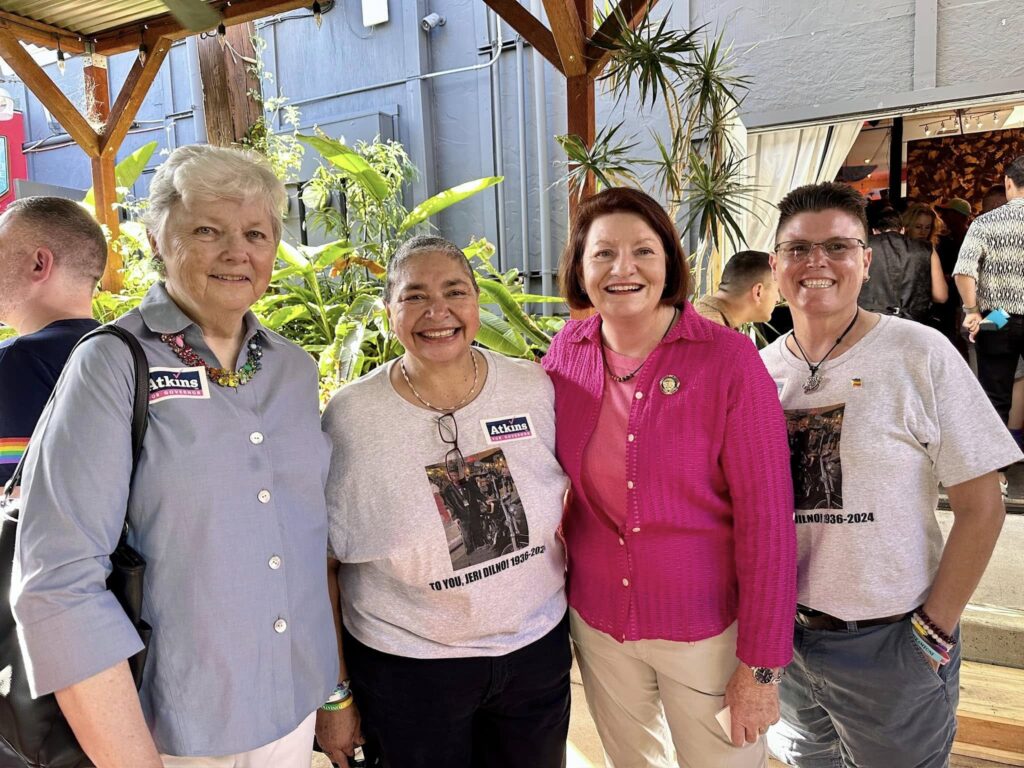
“That has made an incredible difference,” she says. “And I’m just incredibly grateful to have been part of making all of that happen.”
For Atkins, however, political accomplishments cannot be separated from the community spaces that helped nurture and sustain LGBTQ people long before broader acceptance arrived. Much of that reflection brings her back to the San Diego LGBTQ Community Center itself.
“Oh, I was thrilled when I learned there was an LGBTQ center in San Diego when I moved here,” she says.
Over the years, the Center became deeply woven into her life. She partnered with the organization during her early advocacy work and witnessed firsthand the critical support it provided during the AIDS epidemic and beyond. Today, she still sees the Center as one of the community’s most essential institutions, particularly during a time when LGBTQ rights are once again under attack nationally.
“It’s our town hall,” Atkins says. “It’s where we come to cry when we face loss. It’s where we come to celebrate.”
The connection is also personal in another way. The nephew she originally moved to San Diego to help raise eventually came out as part of the LGBTQ community himself. Atkins says the Center became an important support system throughout his younger years.
“I believe it made a difference in his life,” she says softly.
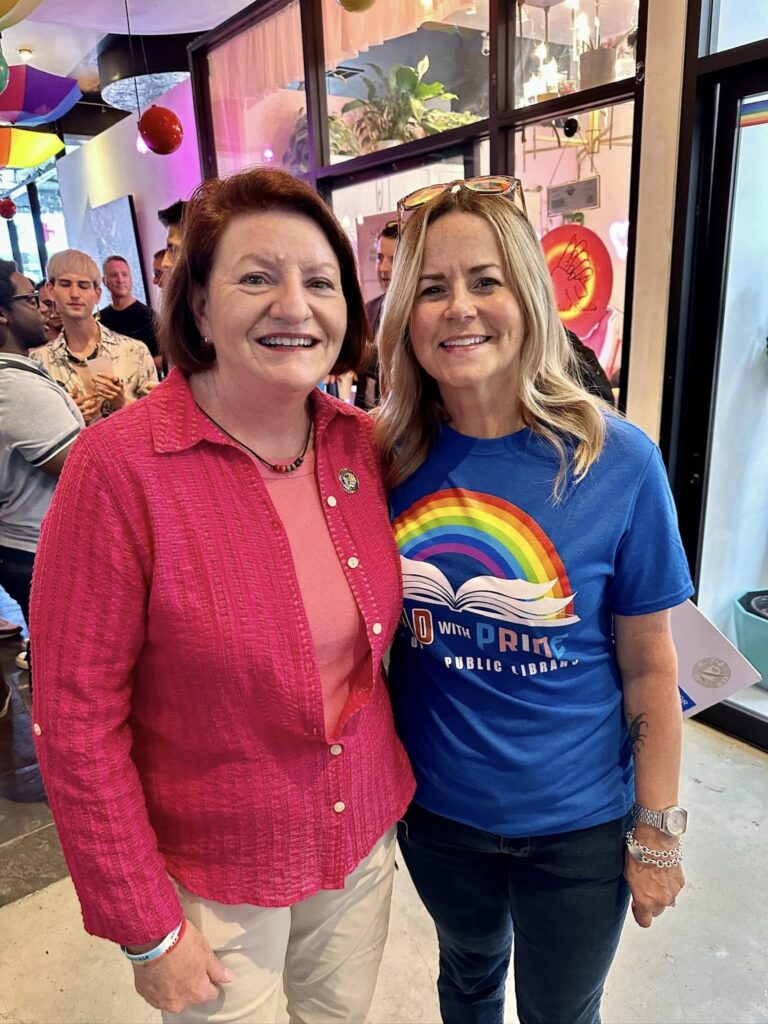
That sense of personal connection runs through everything Atkins talks about, whether discussing advocacy, visibility, or voting. She believes progress only happens when people understand that these issues are not abstract political debates, but real lives and families.
As anti-LGBTQ rhetoric intensifies across the country, Atkins says visibility matters now more than ever.
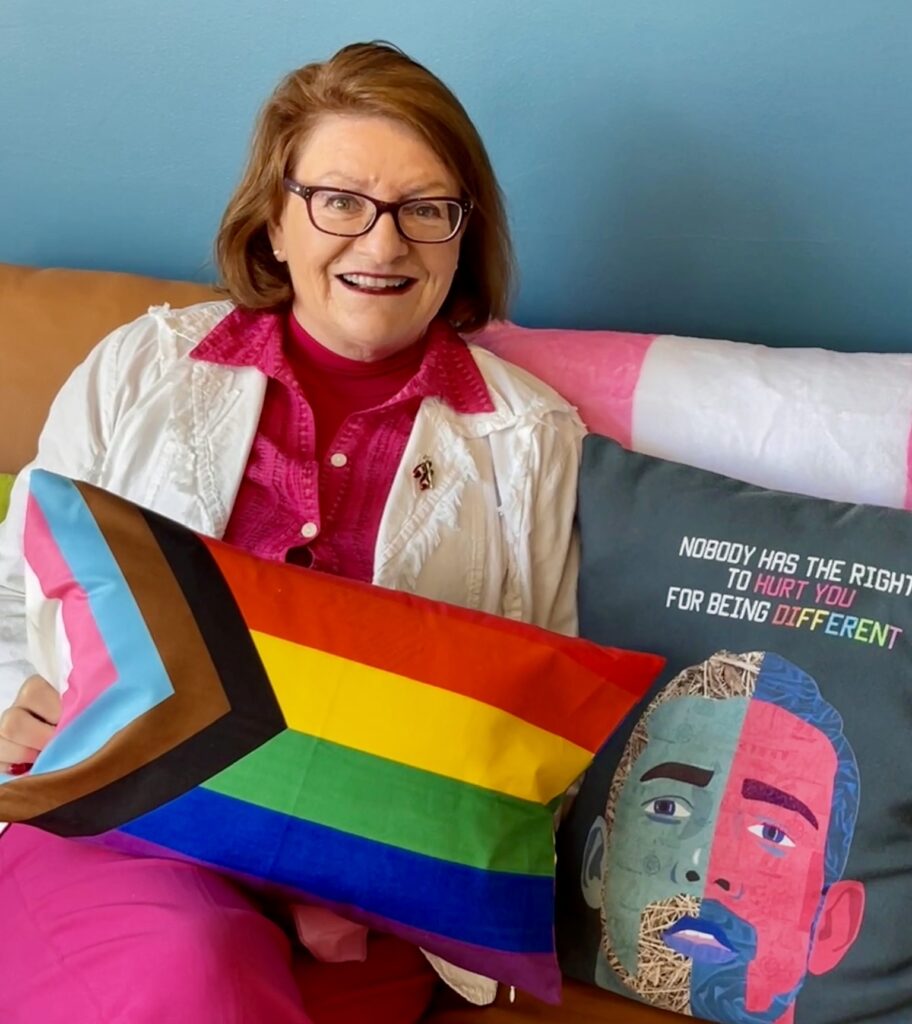
“For those of us who can safely be visible, we need to be,” she says. “There are people who can’t afford to be visible. It’s not safe.”
She also believes moments like the Luminary Awards matter because they allow the community to celebrate joy alongside struggle.
“It cannot always just be a battle,” Atkins says. “We have to take moments to experience the joy of what we’ve accomplished.”
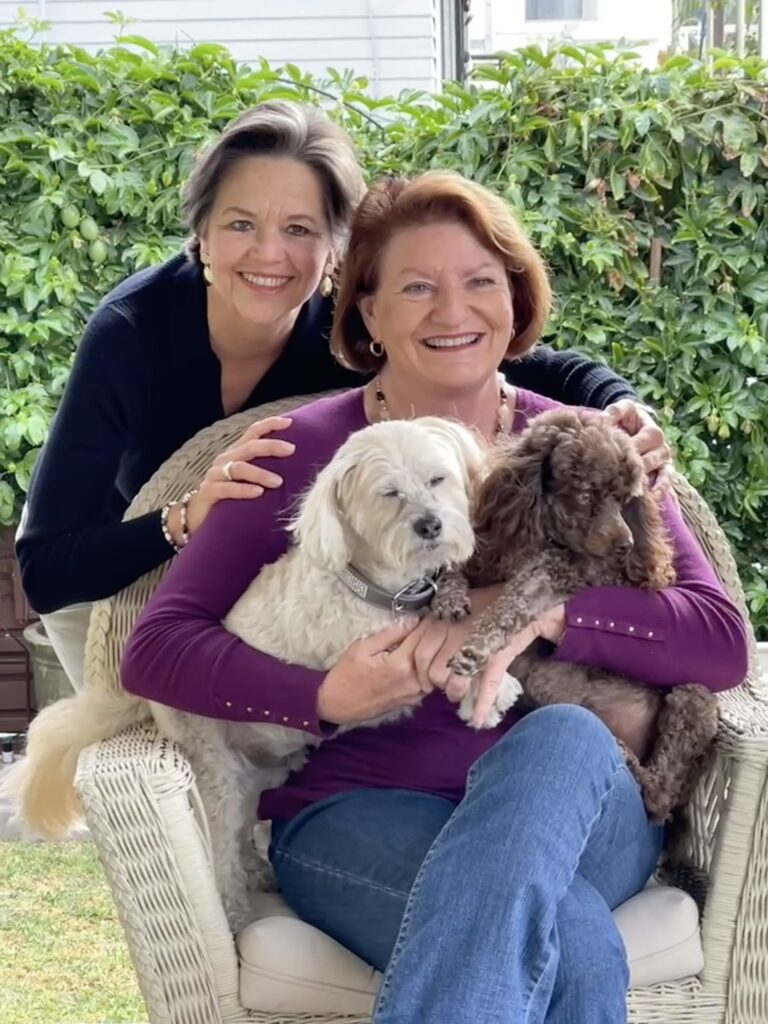
At the end of the conversation, Atkins was asked to define “the work” in one word. After reflecting for a moment, she chooses something profoundly simple.
“The WORD is Personal,” she says.
Every fight, every campaign, every victory traces back to real people she has loved, supported, and lost along the way.
“When you start to hear the stories and talk to people,” Atkins says, “you realize that the work we do for ourselves and for each other is personal.”