

LGBTQ Allies: Christopher M. Sam — Showing Up, Even When You’re Still Figuring It Out
By Cesar A Reyes
When you meet Christopher M. Sam—Chris, or sometimes Sam, depending on his mood—you get the sense he’s someone whose brain is always doing two things at once. He’ll be telling you a story but also glancing off to the side like he’s remembering something he forgot at the grocery store. “Sorry, I multitask a lot,” he jokes. “My mind is usually jumping between five things at once.”
Chris grew up in New Orleans, and you can feel the city woven into him. “My favorite holiday is Mardi Gras,” he says, and his whole face lights up. He talks about the culture there: the laughter, the resilience, the way people find reasons to smile even when life is taking a swing at them. “There’s a resiliency there that sticks with you,” he says with this quiet pride that makes it obvious he still carries home with him. But aerospace engineering jobs don’t exactly grow on trees in New Orleans, so after he got his degree he took a leap and moved to San Diego—a city he knew basically nothing about. “I knew San Diego had… waves? And a job. That was pretty much it,” he laughs. Luckily it felt right once he arrived. “It’s relaxed. Bigger than it seems. A bit like New Orleans, honestly.”
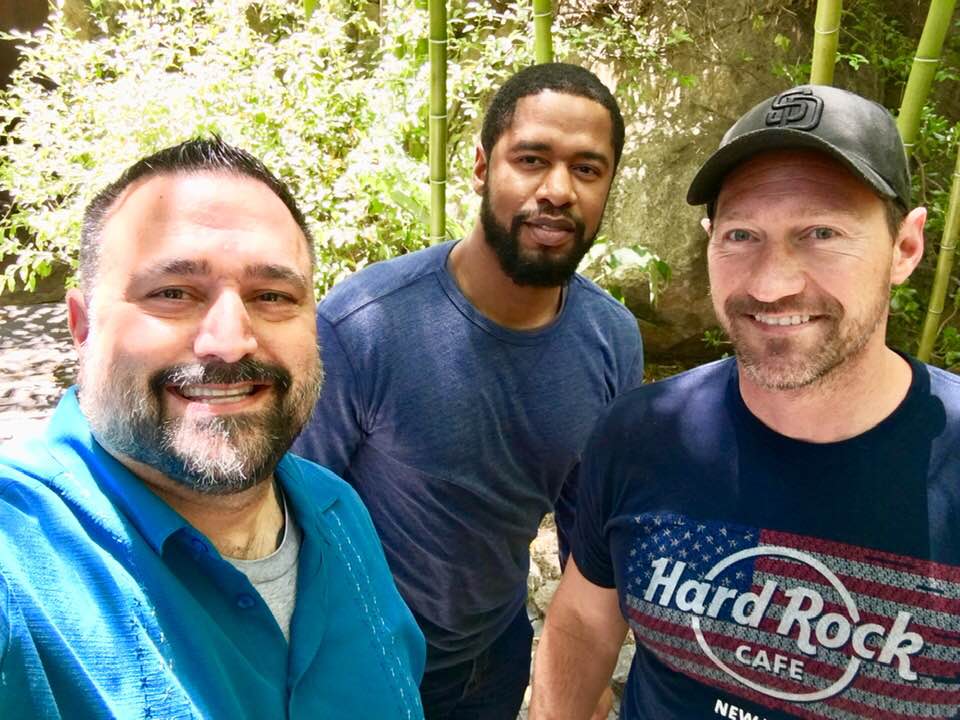
He insists his connection to the LGBTQ community isn’t sensational. “Nothing impressive about my story,” he says, but then he tells two moments that clearly carved something deeper into him. The first was Prop 8. He saw the ballot, shrugged, and said it wasn’t his issue, so he didn’t vote on it. “Later… man, I felt like a coward,” he admits. “Just because something doesn’t affect me directly doesn’t mean it isn’t important.” The second moment came from someone he was dating at the time. She questioned whether he was secretly gay because he accepted a gay friend. She warned him to “be careful” because his friend might “go to Hell.” Chris shakes his head just recalling it. “I was immediately upset. I’m a Christian, but I don’t believe in weaponizing that. The Ten Commandments never said ‘thou shall not be gay.’ But they say a whole lot of other things heterosexuals break every day, so by that logic Heaven must be lonelier than the moon.” It was one of those moments that flipped something inside him—not dramatically, just firmly; a line was drawn, and he realized he wanted to stand on the right side of it. “People fear what they don’t understand,” he says. “You don’t need to understand someone’s life to respect their right to live it.”
His involvement with VIDA started simply. He knew Esteban through work—“he runs VIDA, he’s great”—and eventually learned about the community work the organization does. Scholarships, drives, cultural events like Días de Muertos. “Everyone should go,” Chris says. “Doesn’t matter who you are. It’s beautiful. You’re celebrating people’s talent and culture and also supporting something good.” But what he keeps returning to is something even more basic: be kind, talk to people, listen. He tells a small story that somehow hits harder than the big ones. He once met an older white man, someone who saw the world completely differently than he did. Chris mentioned how, as a Black man, he’d felt racially profiled at times. The man listened—just listened—and showed real compassion. “He’s not changing the world,” Chris says, “but he made me feel like I mattered. And that’s what I remember.” That’s how he sees allyship: small, human moments that stack up into something bigger.
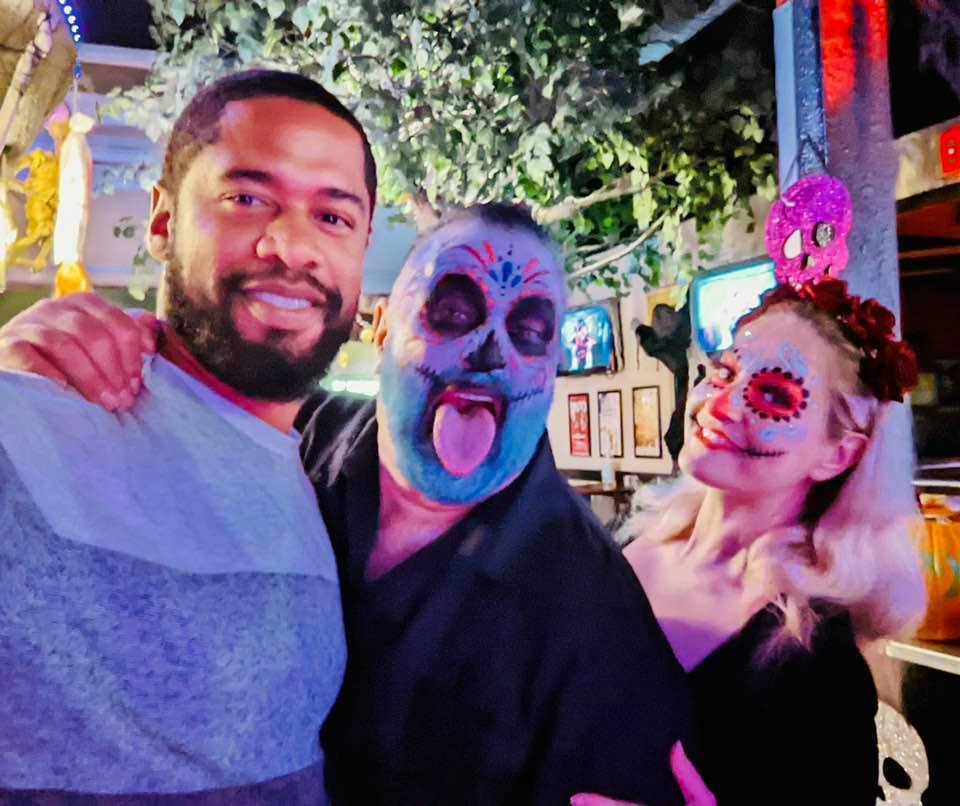
“For me, being an ally means seeing people as equal—wait, not not equal—okay, I’m wording this terribly,” he laughs. “It just means we can talk without weirdness or stigma. No hierarchy. Just people.” He admits he’s still learning. Still catching himself. Still trying. “I don’t always know the right words. But I can care, and I can learn. That part’s easy.”
He talks about being downtown recently, huddled around a firepit while the wind whipped at everyone. “When you’re freezing, everyone around the fire is a friend,” he says. “Nobody cares who’s trans or Black or immigrant—we all just wanted to not freeze.” There’s a simple truth hiding in that image: warmth is easier when we gather.
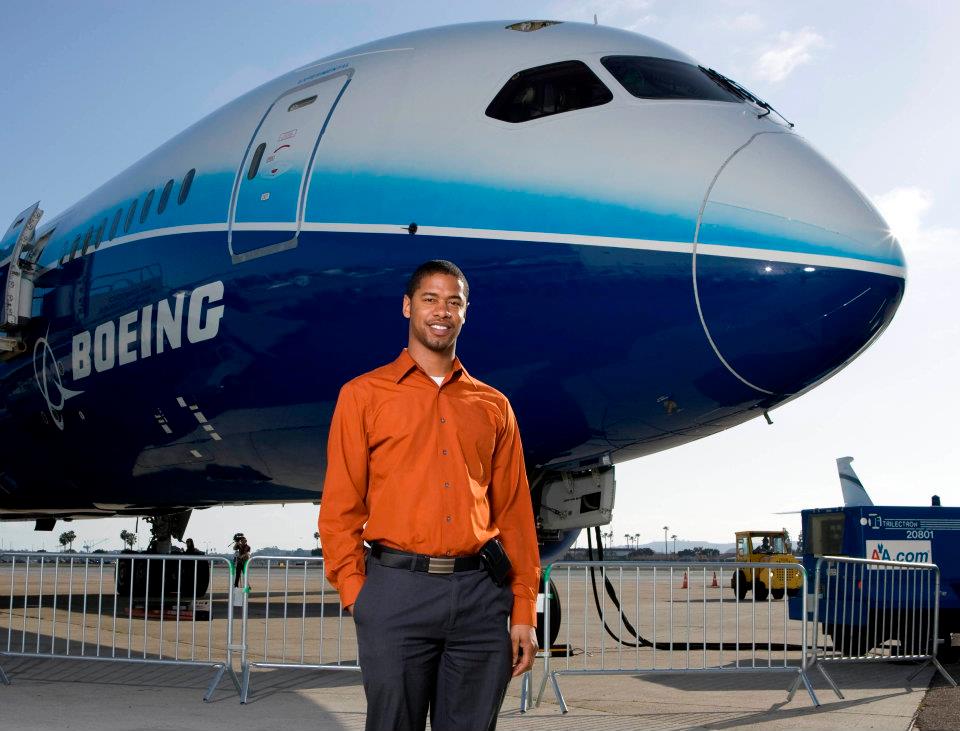
He keeps circling back to one tiny, deceptively powerful word: the WORD is TRY. “I like ‘try’ because it’s simple. No huge promise. Just effort.” He believes that small acts—tiny human kindnesses—add up the way workouts do. “At first it feels forced. Then suddenly you’ve strung together all these moments of connection, and it’s natural. And honestly? That feels a little like sharing a bit of Heaven with someone.”
And even said mid-multitask, half-distracted but fully genuine, that’s the core of Chris’s allyship: show up, listen, and try.