

Fighting for Lolita: Alexis Vázquez and the Power of Redemption
By Cesar A Reyes
You don’t forget the first time you sit across from Alexis Vázquez and hear him talk about his work. There’s no performance in the way he speaks, no polish for the sake of it. But there is honesty and a comfortable steadiness. Maybe it comes from years of dancing on the world’s biggest stages. Maybe it comes from surviving a childhood that demanded resilience early on. Either way, what stands out isn’t ego, but intention.
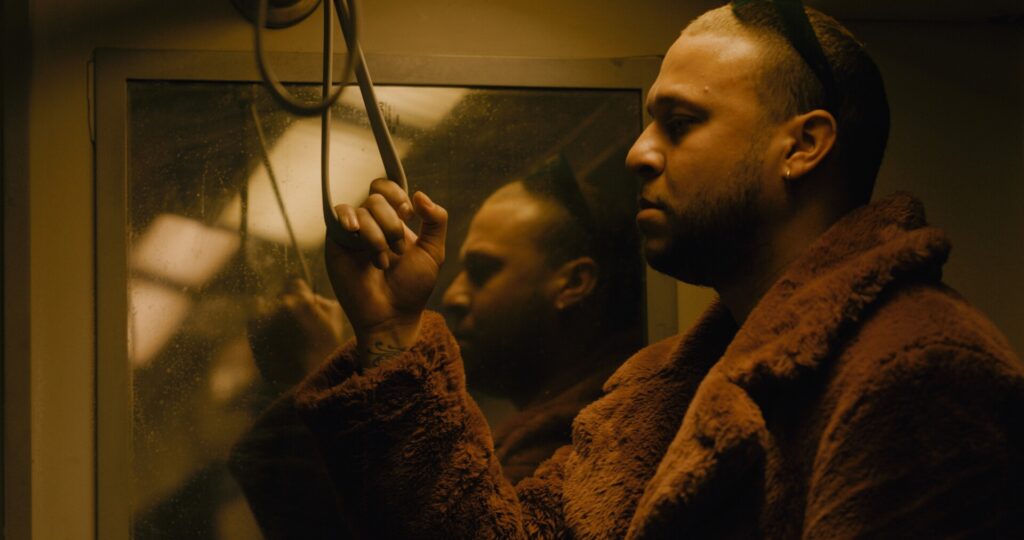
“I was born with a deep love for movement and storytelling,” he says. “Over time that passion evolved into a career that blends both worlds.”
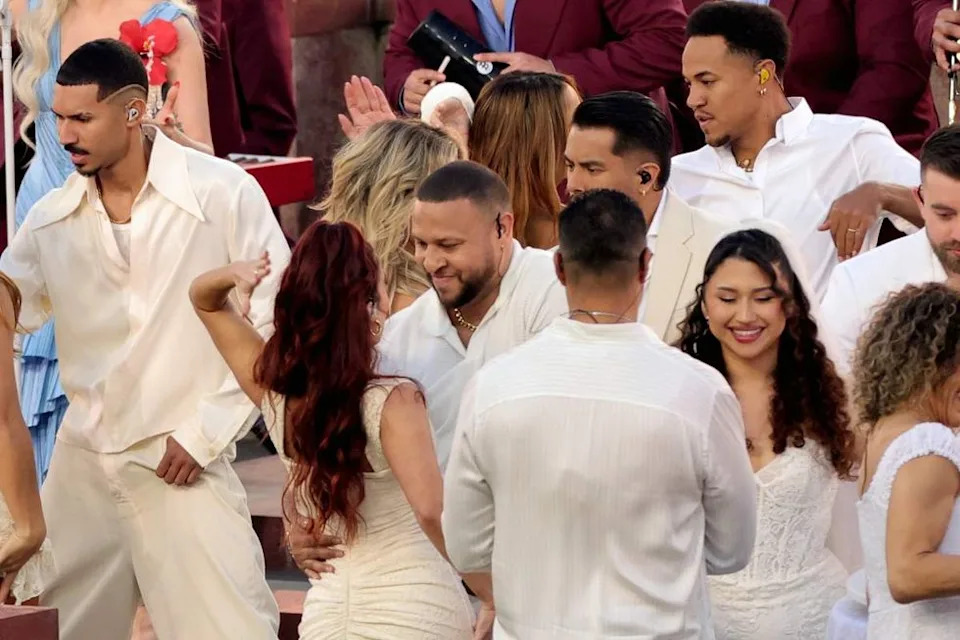
Based in Los Angeles, Vázquez first built his career as a professional dancer, training intensely and performing at the highest level, including the Super Bowl Halftime Show alongside Bad Bunny and Lady Gaga. “There’s nothing like the energy of a live audience,” he says. “It reminds you how powerful performance can be when it connects with millions of people at once.” The scale of those stages was massive — the lights, the noise, the pressure. But even in those moments, he was searching for something more intimate than applause.
“Acting is where I get to explore vulnerability,” he explains. And that vulnerability is front and center in his first feature film lead, Lolita. In the emotionally raw drama, Vázquez plays Jesús Salazar, a father fighting to rebuild his life after prison and regain access to his daughter, Lolita. The film isn’t built on spectacle. It’s built on consequence. On whether a man can outgrow his worst mistakes. On whether the world will let him try.
When Vázquez first read the script, he didn’t celebrate landing a leading role. He paused. “It didn’t feel like a ‘role.’ It felt like a life,” he says. The script was written and directed by his husband, which made the decision layered and deeply personal. “When you’re married to the storyteller, the lines between art and real life can blur.” They talked at length about the pain in the story and where it came from. About whether Jesús was being judged — or understood.
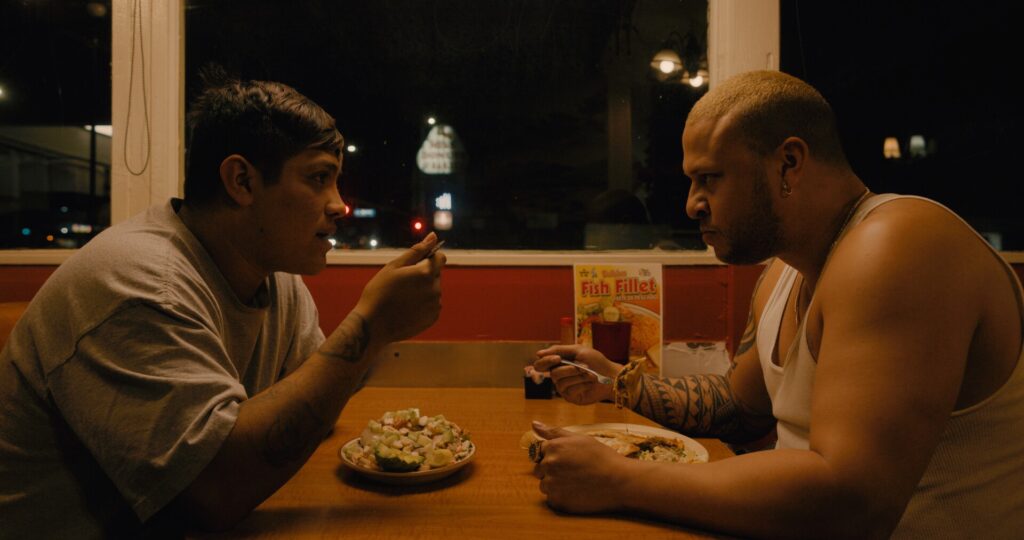
What ultimately convinced him was the authenticity. “Jesús wasn’t written as a stereotype or a cautionary tale. He was written with humanity.”
At its core, the story is heartbreakingly simple: Jesús just wants to see his daughter. “He’s not asking for money or power. He just wants to be present in her life.” That simplicity is what makes the resistance around him so painful. Systems push back. People doubt him. His past follows him into every room.
To access that mix of hope and frustration, Vázquez pulled from his own childhood. For a time, he was adopted by his aunt while his mother navigated personal struggles. “As a child, you don’t fully understand what’s happening — you just feel the instability. The absence. The questions.” Returning home later meant stepping into love that existed alongside chaos. “When you grow up around emotional unpredictability, you learn what it feels like to long for safety.”
That longing became the emotional spine of Jesús. “I didn’t play it as anger first,” Vázquez says. “I played it as love. The frustration comes from love being blocked. The hope comes from love refusing to die.” He also drew from witnessing a family member struggle with addiction, understanding how shame and broken trust ripple through an entire household. “He wants redemption, but he doesn’t fully believe he deserves it.”
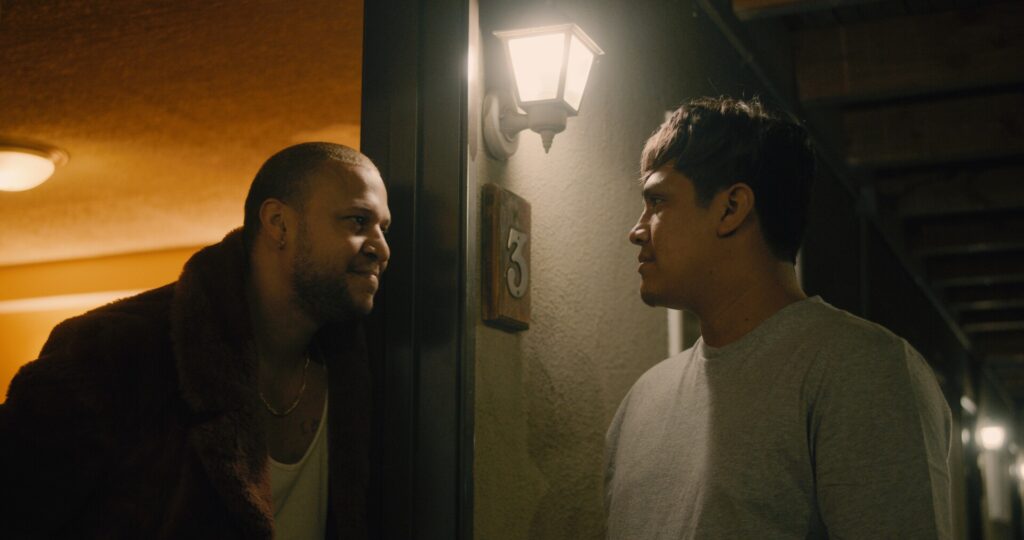
Some scenes stayed with him long after filming wrapped. A therapist’s office monologue felt like “emotional surgery.” An assault scene carried a heaviness he couldn’t shake immediately. “When you let yourself go there as an actor, it doesn’t just disappear.”
Still, Jesús is never portrayed as defeated. “From the start, I didn’t see him as broken — I saw him as wounded. A broken person feels finished. A wounded person is still healing.” That distinction shapes the film’s strength. Jesús keeps showing up. He keeps trying. He keeps fighting for Lolita, even when it would be easier to disappear.

The WORD Vázquez chooses to define the journey is Perseverance. “It’s not glamorous. It’s waking up every day and choosing to try again.” And that’s what lingers after the credits roll — not a grand redemption speech, but a father standing in the wreckage of his past, holding onto love with both hands, and refusing to let go.

¡Somos! Celebrating Love, Identity, and Storytelling at SDLFF
For 33 years, the San Diego Latino Film Festival has been a home for stories that make us laugh, cry, and celebrate who we are. Running March 18–22, 2026, the festival continues to feature the beloved ¡Somos! Cine LGBTQ+ showcase, where love, identity, and courage shine on screen.
“Cinema has this magical way of connecting us,” organizers say. “Through these stories, audiences see themselves reflected, and others understood.”
With over 120 shorts, Sonido Latino concerts, and Arte Latino showcases, SDLFF is more than a festival—it’s a celebration of community, love, and living boldly. From intimate queer stories to bold explorations of culture, the festival reminds us that every story matters, every voice deserves to be heard, and every moment is worth feeling.