

Building Rooms, Not Brands: Nathan Serrato on Connection, Healing, and Queer Growth
By Cesar A Reyes
Nathan Serrato didn’t set out to build a brand. He set out to build a room. A room where gay men could show up without performing, without swiping, without loud music or dim lights or the unspoken pressure to be desirable. A room where they could breathe. “I started Queer Conscious as a meetup for gay men outside of dating apps and gay bars,” Nathan says. “In North County, there weren’t many spaces for gay men to let their walls down and be who they are.”
Seven years later, that room has expanded, but the intention behind it hasn’t changed. Queer Conscious has grown into a resource for LGBTQ+ personal and professional growth, yet its heartbeat is still connection. Still honesty. Still the belief that queer people don’t need to be fixed—they need to feel safe enough to stay open. Nathan is a relationship coach and communication specialist, born and raised in Escondido and now living in San Diego. He comes from a family of Mexican immigrants who chose San Diego as the place to settle and build a life. That sense of roots, resilience, and longing for belonging weaves through everything he does. “Growing up and dating as a young gay man,” he says, “I wish I had mental health resources that understood my unique challenges. That’s what inspired me to do this.”
After nearly a decade of coaching LGBTQ+ people, Nathan began noticing the same emotional patterns surface again and again. Not surface-level habits or dating preferences, but something deeper. “I saw a lot of guardedness and trepidation when it came to connection,” he explains. “Many people grew up experiencing rejection—from family, loved ones, and society. It’s easy to see why they’d feel guarded or run away from intimacy.” Queer Conscious exists in that space where someone wants closeness but doesn’t yet know how to trust it. Where the desire for love is there, but the nervous system still remembers when love wasn’t safe.
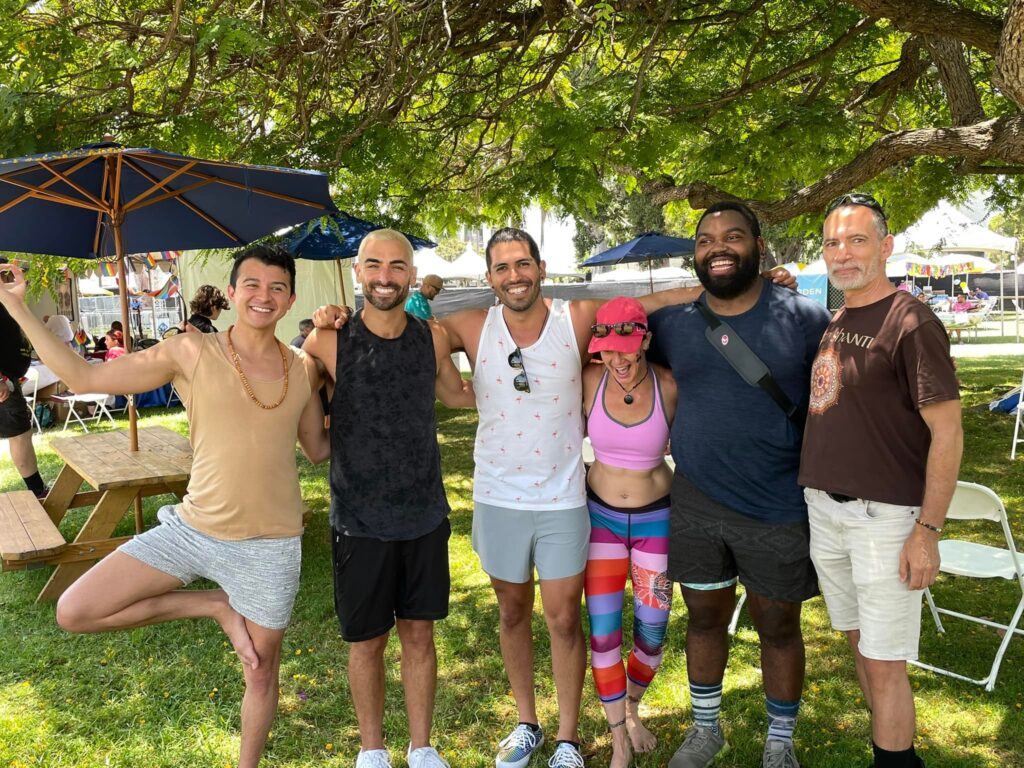
For many queer people, survival came before self-actualization. Safety came before authenticity. Being chosen by family, church, or community often meant hiding essential parts of themselves. Even now, with more visibility and progress, those early lessons linger in the body. “Queer people deserve fulfillment,” Nathan says. “We’ve spent too long in the closet. We’ve spent too long hustling for our dignity.” He’s clear that while there are still very real threats facing the LGBTQ+ community, internalized fear doesn’t have to be one of them. “There are so many external obstacles we’re still navigating,” he says. “The last thing we need is to get in our own way too.”
Addressing past trauma in Nathan’s work isn’t about reliving pain for the sake of it. It’s about understanding how the past quietly shapes the present. When rejection becomes familiar, intimacy can feel dangerous. Because love was once conditional, vulnerability can now feel like a liability. Without support, many queer people learn to leave before they can be left. Queer Conscious offers an alternative: a place to slow down, tell the truth, and choose something new. Healing becomes an act of liberation, not indulgence—a decision to stop letting old wounds dictate future relationships.

As the new year begins, Nathan’s approach to goal-setting is refreshingly gentle. He doesn’t believe in dramatic overhauls or endless resolutions that collapse under their own weight by February. “The reason most New Year’s resolutions don’t stick is because people take on too big of a challenge,” he says. “It gets overwhelming, and it’s hard to stay consistent.” Instead, he encourages simplicity and intention. “Focus on one habit that benefits your well-being and one habit that connects you to others,” he says. “If it’s one habit that does both, even better.”
He recommends no more than two goals total: one personal and one relational. A personal goal might look like drinking more water, moving your body consistently, or finally committing to rest. These aren’t about productivity or self-optimization, but about building a stable foundation. A relational goal might look like joining a meetup, taking dating seriously instead of avoiding it, or making real time for friendships. “Relational goals are often overlooked,” Nathan says, “but they’re some of the biggest contributors to our happiness and overall well-being.”
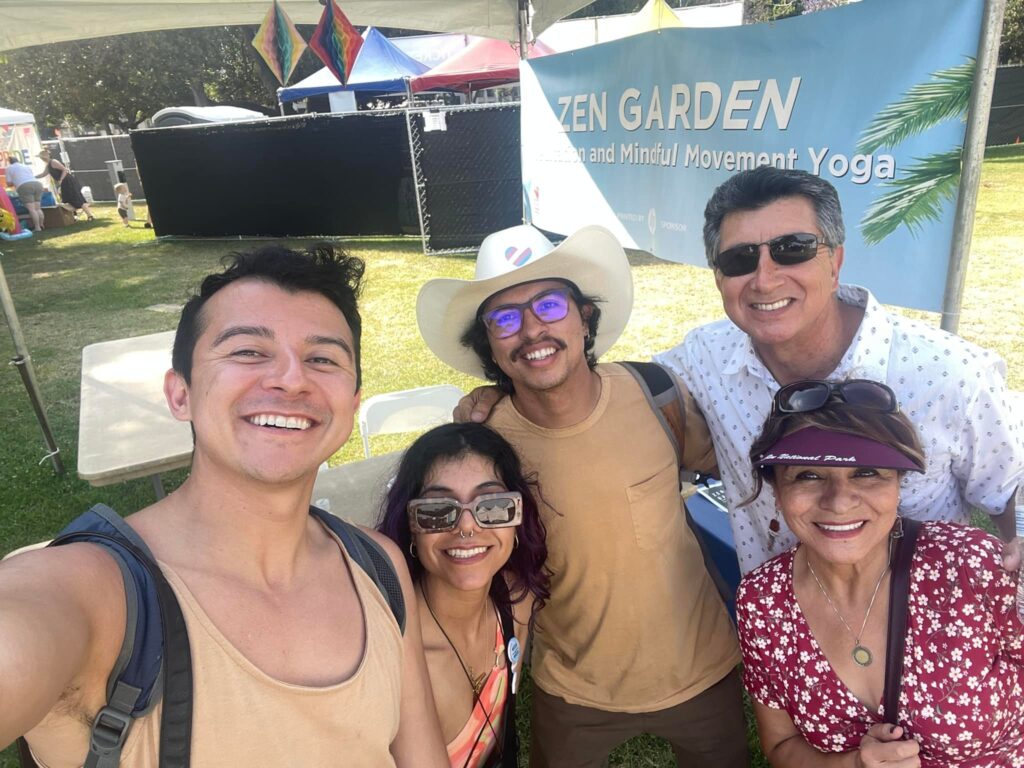
When asked to name the WORD that captures the essence of his work, Nathan doesn’t hesitate. “Honesty.” Coaching, to him, begins with telling the truth—to yourself and to others. “When you’re honest with yourself, you become more intimate with reality,” he says. “And it’s only from accepting reality that we can make meaningful changes in our lives.” Honesty isn’t harsh or punitive; it’s an opening. “When you’re honest with others, you invite deeper intimacy and the space to be more authentic.”
As the year turns, Queer Conscious isn’t offering perfection or quick fixes. It’s offering permission to move slower, to choose connection, to stop self-abandoning in the name of protection. It’s an invitation to start the year with open hands instead of clenched fists and maybe, for the first time, to stay.