

Not Feeling Thankful? There’s Still a Seat for You at Our Table.
By Andrew Picard, Executive Director, Stepping Stone of San Diego
For 50 years, Stepping Stone has provided LGBTQ+ community-centered recovery to tens of thousands of people, and is one of the nation’s only nonprofits providing residential treatment, outpatient and sober living programs.
For too many LGBTQ+ people, the hardest part of the holidays is going home to family. Or for many, having no home they can go back to.
And while the holidays can be so joyful for many of us, they can also mean arguing about pronouns, or explaining why your partner deserves a seat at the table, or facing another December without someone you love. For someone in recovery, they can mean navigating celebrations where alcohol is everywhere and support feels nonexistent.
As a gay man, I understand why chosen family means so much to our community. As Executive Director of Stepping Stone of San Diego, I see why we must turn our promise to serve the community into action.
In our work at Stepping Stone, mental health, addiction, and housing insecurity rarely arrive separately. They compound one another. It is difficult to focus on recovery when you don’t know where you will sleep. It is difficult to ask for help when previous experiences have taught you to expect judgment.
LGBTQ+ people already experience disproportionately high rates of depression, anxiety, and substance use disorders. Holiday pressures can intensify those challenges. Grief, family conflict, disrupted routines, and greater exposure to alcohol or other drugs show us much higher rates of relapse within our community.
We need to take that seriously and respond with care people can actually reach.
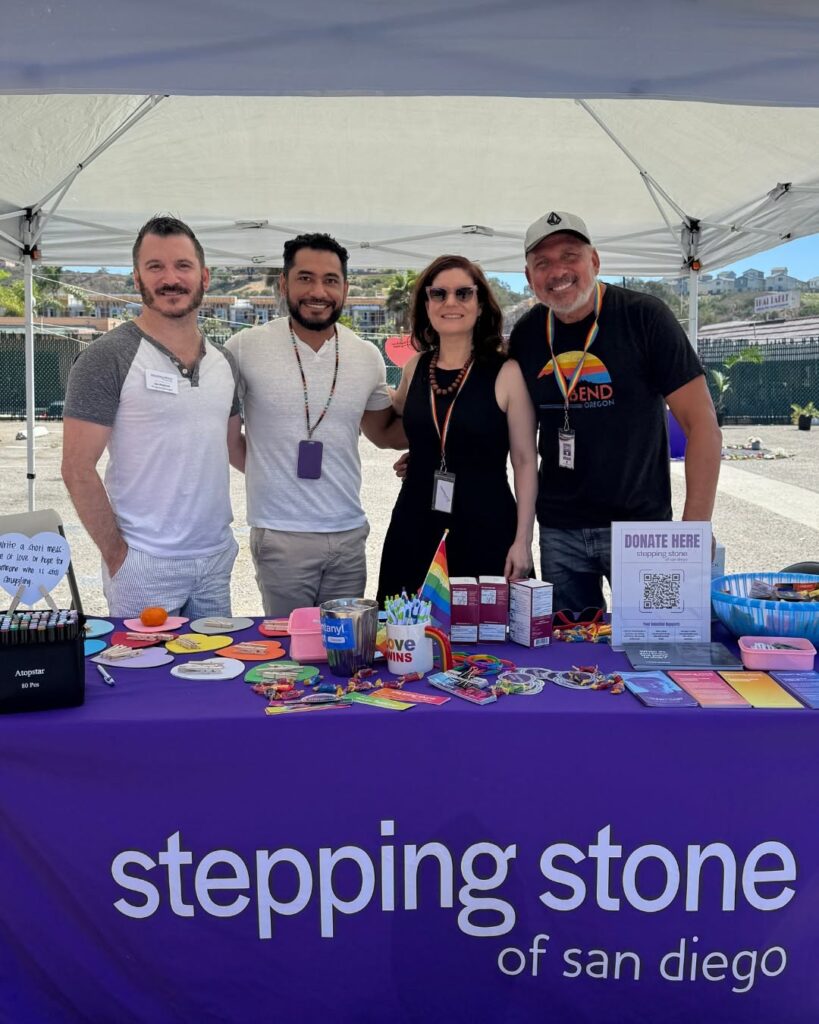
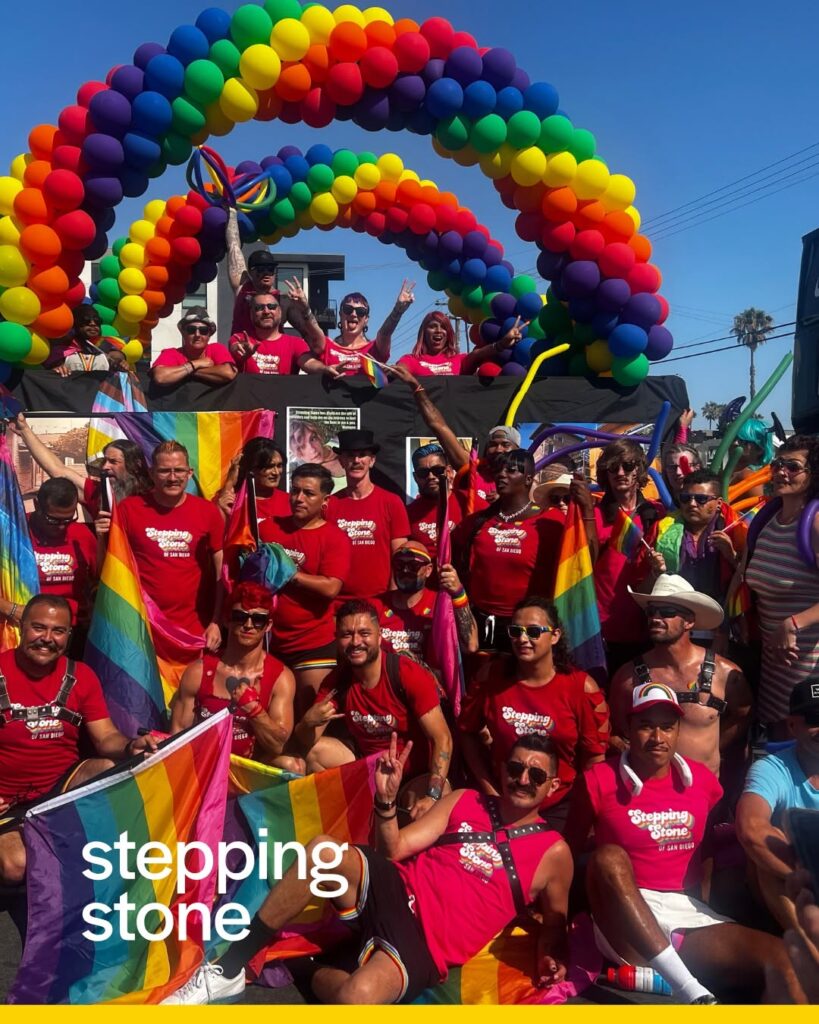
Fifty years of showing up
In 1976, gay and lesbian San Diegans looking for help with alcohol and substance use had nowhere they could be fully themselves. So they built a place. Stepping Stone was chosen family before most of us had the phrase.
Stepping Stone offers a rare nonprofit ecosystem of LGBTQ+-affirming care. Recovery is at the center of everything we do. Residential treatment, Stepping Out outpatient care, mental health support, continuing recovery services and sober living all grow from it, so people can find the support they need at each moment and keep building stability, relationships and a future.
What I see through this work is the BEAUTIFUL determination it takes to rebuild a life, and how much it matters to have people beside you.
If you or someone who know is struggling, please reach out now
You do not have to wait for a crisis. You do not have to lose your job, your housing, or another relationship before your needs deserve attention.
Make a plan before a difficult gathering. Decide how long you will stay, how you will leave, and whom you can call. You are allowed to protect your recovery and set boundaries with people you love.
Schedule connection rather than hoping it happens. Put a counseling appointment, recovery meeting, walk, or coffee with a trusted friend on your calendar. Protect sleep, meals, and the routines that support you.
If you have returned to substance use, you still deserve care. Please reach back toward support. Shame should never be the barrier that keeps you from it.
Here is where to start
For Stepping Stone’s treatment and sober living programs, call 619-278-0777 or visit steppingstonesd.org. Our team can help you explore options for yourself or someone you love.
The San Diego LGBT Community Center offers behavioral health services, support groups, and community connection at thecentersd.org. For food, housing, healthcare, and other community resources, call 211 or visit211sandiego.org. For emotional distress or a suicidal crisis, call 988 or text 988.
Chosen family is something we do
This season, I am asking each reader to make the idea of belonging REAL.
Think of someone who has gone quiet. Someone newly sober. An older gay friend living alone. A person navigating rejection, a breakup, or loss.
Then make a specific offer: “Come have dinner with us.” “I can drive you to your counseling appointment.” “Let’s talk on Thursday.”
I often text friends “Wellness check! You don’t need to respond, just “heart” my message so I know you’re okay.”
Listen without requiring someone to be cheerful or explain everything. Follow up. Make your gatherings welcoming to people who don’t drink.
An invitation cannot replace treatment or housing. But it can help someone feel less alone while taking the next step toward support.
My hope this season is that we become more generous with our love and more deliberate in how we offer it. A seat at dinner. A patient ear. A second phone call. These acts give substance to our solidarity.
Be the person who reaches back. And if you are the one reaching, please know: you are worth the call, the care, and the life still ahead of you.
You don’t have to feel the Thanksgiving spirit to still belong. For anyone wondering where there is room for them at the table, let our answer be unequivocal: your seat is always here, with us.