
Isabel Sandoval Challenges Expectations With Moonglow at the San Diego Asian Film Festival
By Cesar A Reyes
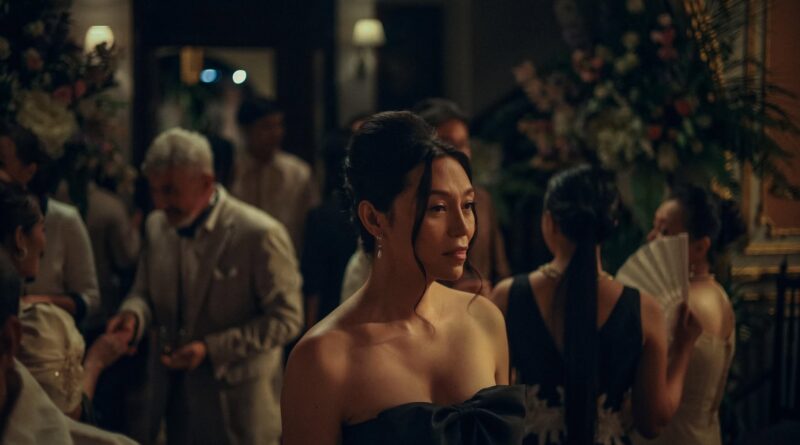
Some filmmakers tell stories, while others use cinema to challenge the way we see the world. Isabel Sandoval belongs to the latter, creating films that blur the boundaries between personal identity, political history, and the seductive power of the silver screen. From November 5–14, Sandoval brings that distinctive vision to the 27th Annual San Diego Asian Film Festival, presenting Moonglow, her latest feature and a bold departure from the filmmaking style audiences may recognize from her earlier work.

After years of having her films programmed by festival director Brian Hu, Sandoval is especially excited to attend the festival in person. “It’s truly a thrill to finally attend the San Diego Asian Film Festival in person after all these years,” she says. Moonglow marks the third feature of hers that Hu has programmed, offering an opportunity for audiences to experience how her work has evolved. She also appears in a second film at this year’s festival, Lav Diaz’s Let Us Through, Dear Ancestors, making her visit a celebration of both her work behind and in front of the camera.
Set in Manila during the 1970s Martial Law era, Moonglow is a stylish, atmospheric film that draws from the traditions of classic Hollywood noir while quietly questioning the beauty and glamour that surround it. Sandoval wrote the screenplay in the fall of 2023 and filmed it in Manila the following spring, completing principal photography in just 20 days. A heat wave forced her to rewrite some daytime scenes for night, an unexpected change that ultimately suited the film’s shadowy world.
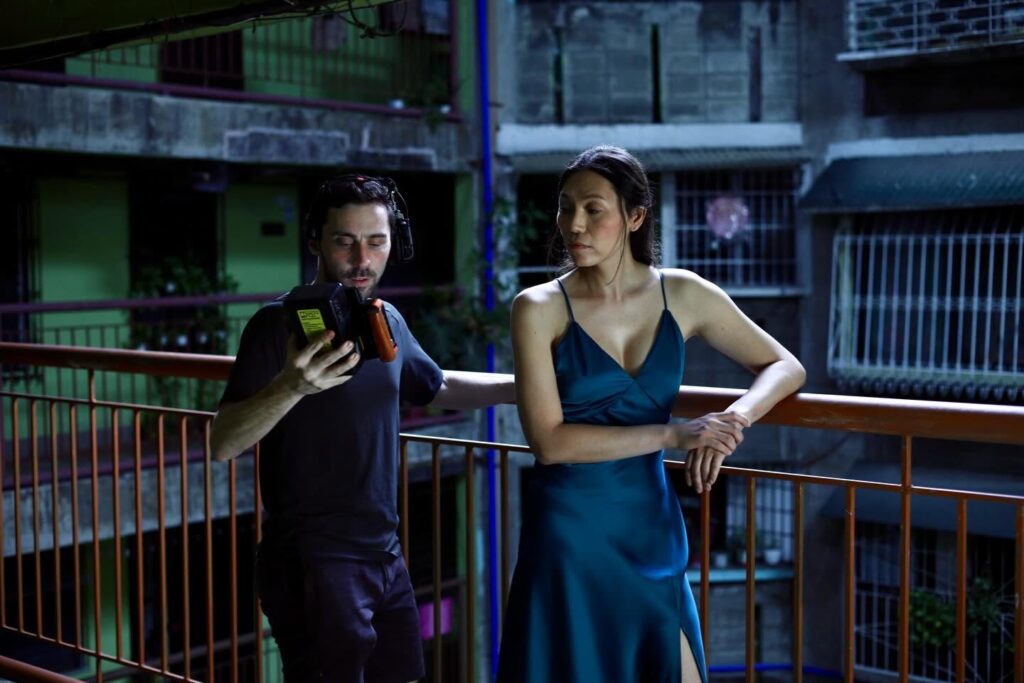
The result is a sensuous, melancholic story that looks back at Hollywood’s golden age through a distinctly Filipino lens. Sandoval grew up in the Philippines, where American movies helped shape her earliest understanding of cinema and the possibilities it represented. Films such as Casablanca, In a Lonely Place, and All That Heaven Allows influenced her ideas about the power, grandeur, and sensuality of movies. Yet she also recognizes Hollywood’s role in exporting an idealized vision of America to the rest of the world.
“The American Dream that countries like the Philippines where I was born and grew up in was manufactured in large part by the Hollywood machine,” she explains. That dream helped inspire her own immigration to the United States and her decision to become a citizen. With Moonglow, she returns to that complicated relationship with a filmmaker’s eye, embracing Hollywood’s visual seduction while questioning what that beauty can conceal.
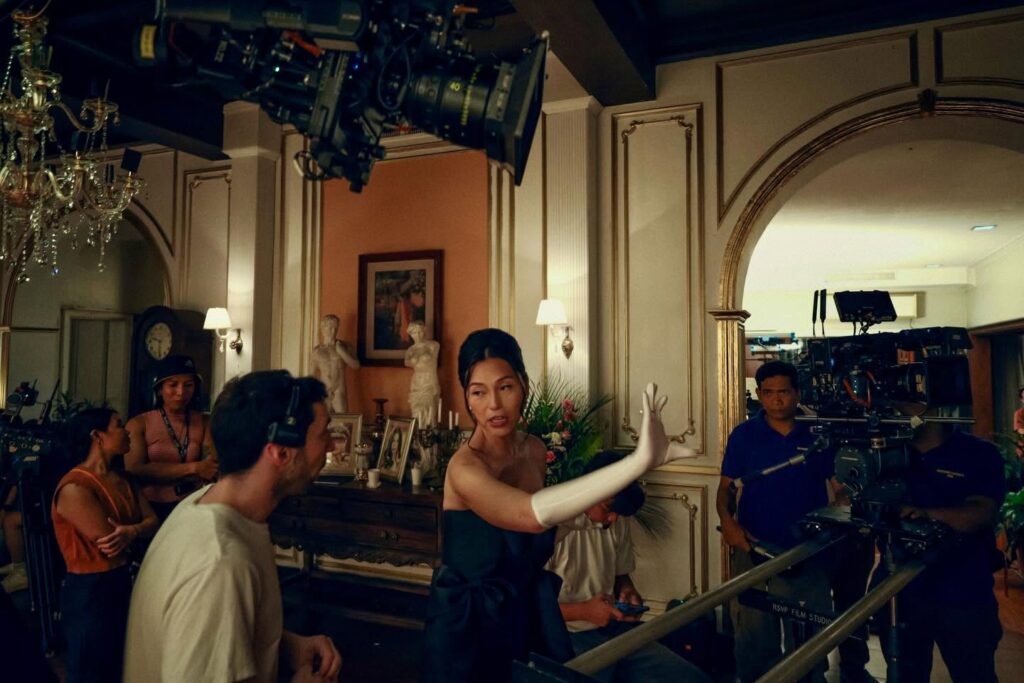
One of the film’s most striking choices is what it leaves unseen. Although the story takes place during a period of political repression, the violence and atrocities associated with Martial Law never appear onscreen. Instead, Sandoval surrounds her characters with elegance, glamour, and carefully composed imagery. The contrast is deliberate. “It’s seducing the audience with its beauty, élan and glamour,” she says, drawing a parallel between the film’s aesthetic and the way America used Hollywood to manufacture dreams and myths around the world.
For Sandoval, cinema becomes most interesting when it refuses to tell audiences exactly what to think. With a background in psychology, she sees her films as something like a Rorschach test, reflecting the experiences and perspectives that viewers bring to them. “The greatest cinema are open systems of meaning in that they invite a broad spectrum of subjective interpretation and engagement from different viewers,” she says.
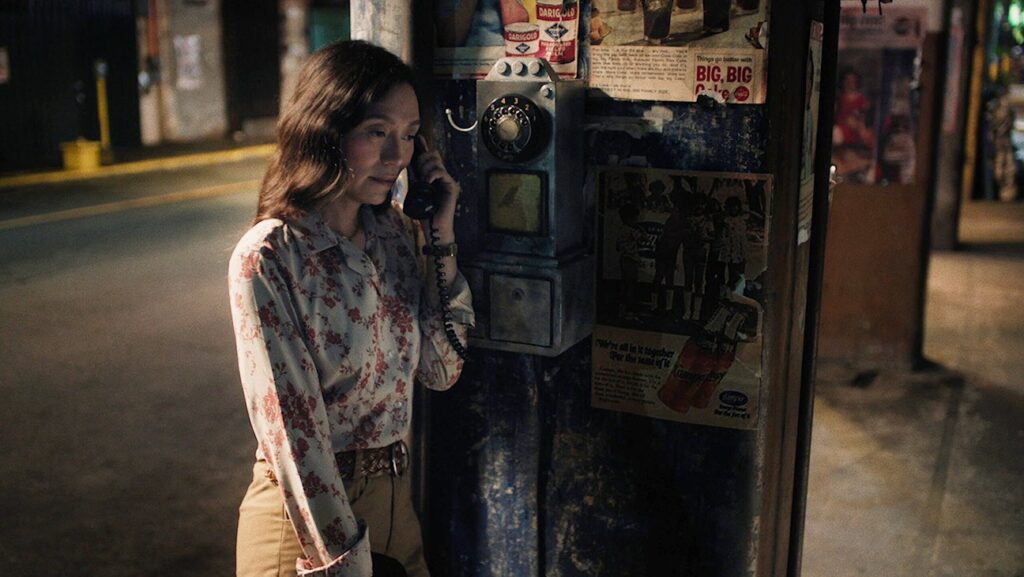
That openness extends to the characters she creates. They are imperfect, complicated people whose private lives are shaped by the political and social forces surrounding them. Sandoval is particularly interested in the tension between individuals and the state, and in how people living on society’s margins attempt to reclaim some measure of power over their own lives.
Her creative process is equally instinctive. Sandoval moves between writing, directing, editing, and acting without treating them as separate worlds. Having never attended film school, she approaches filmmaking as a unified vision, with each role contributing to the emotional and visual identity of the finished work. In Moonglow, that approach allowed her to explore female interiority through film noir, a genre traditionally associated with male perspectives.
The film also represents a personal act of creative independence. Sandoval knows that a successful film can become a label, limiting what others expect from the filmmaker who made it. With Moonglow, she wanted to break free of those expectations and make something unusual, personal, and entirely her own.
“I wanted to make a film that I felt like I got away with making,” she says.
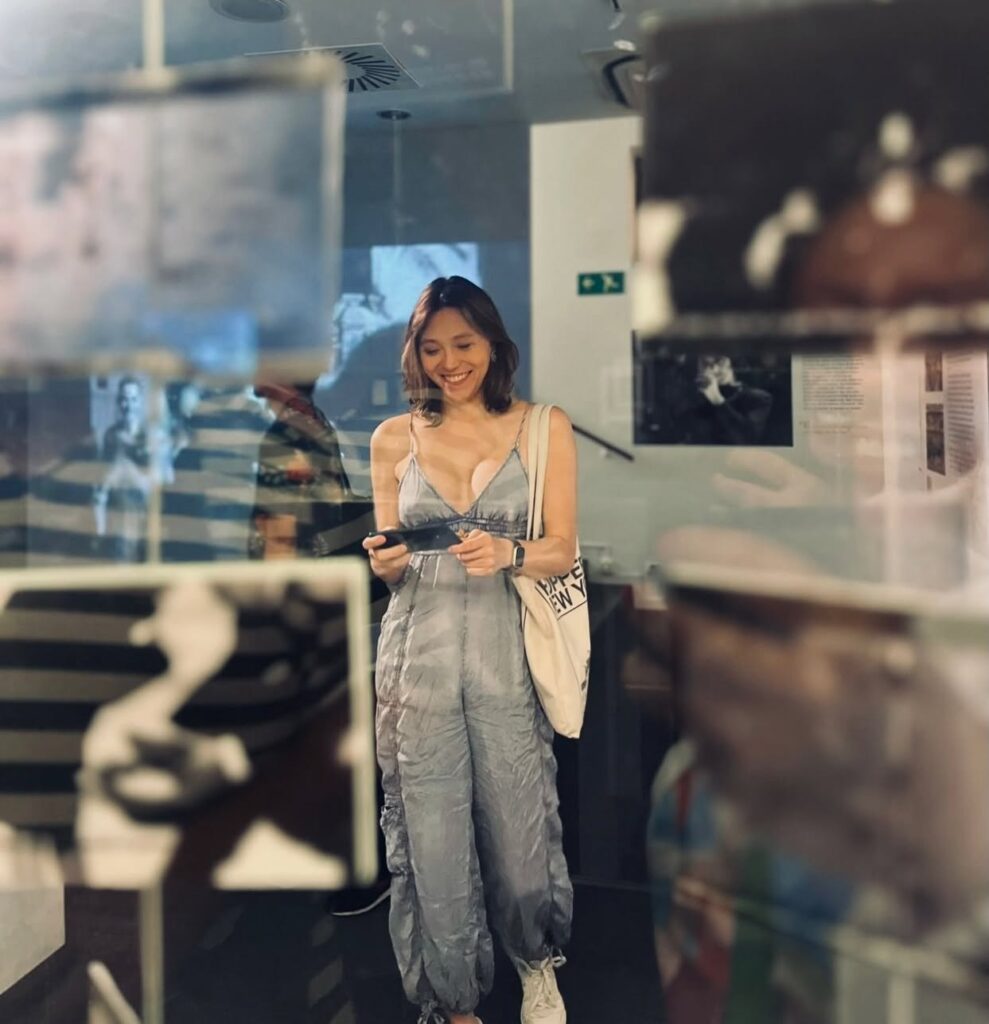
That spirit makes Sandoval’s appearance at the San Diego Asian Film Festival particularly meaningful. She arrives not simply to present another film, but to share the work of an artist who continues to challenge her own boundaries. Moonglow is deeply personal without being autobiographical, shaped by memory, history, and the movies that first made her fall in love with cinema.
And like the enigmatic woman at the center of her film, Sandoval is playing her own game, trusting her instincts and refusing to follow a predictable script. “I’d like to think I’m pulling off a heist of my own, just like Dahia is in the movie.”