

A Place to Be Seen: Two exhibitions expand San Diego’s cultural conversation in Hillcrest and La Jolla
By Patric Stillman
Where we encounter art changes who we notice. San Diego’s cultural diversity deserves a visible place throughout the city, including in neighborhoods and institutions where some communities have had fewer opportunities to share their creative lives. This fall, The Studio Door brings ten Filipino artists into the center of Hillcrest while the Museum of Contemporary Art San Diego gives queer Latine and Latin American perspectives a prominent setting in La Jolla. These exhibitions invite us to see our neighbors in places where we may not have expected to find their stories. They also ask us to reconsider whose creativity we associate with those places.
Filipino Voices in Hillcrest
Hillcrest has a strong sense of identity. There is still room to broaden the picture.
At The Studio Door, we have presented Latino artists curated by Andy Gonzalez whose work deserves greater visibility in the neighborhood’s arts scene. This November, LIKHANG SINING: Contemporary Voices, Timeless Roots continues that commitment through an exhibition of ten local Filipino artists curated by artist Xyryl Clark.
Filipino creativity is part of San Diego’s cultural life. Giving Filipino artists a focused presence in Hillcrest’s entertainment district invites visitors to discover the cultural diversity of a neighborhood best known for its LGBTQ identity and nightlife. It also gives the artists a shared platform from which to express their individual relationships to heritage.
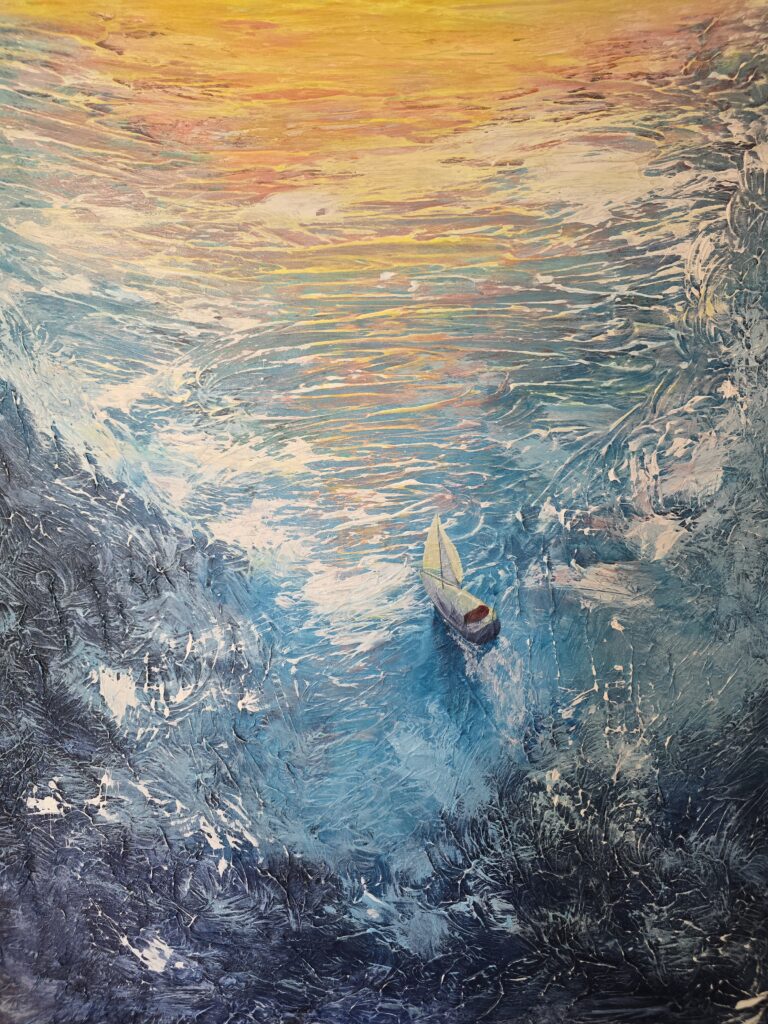
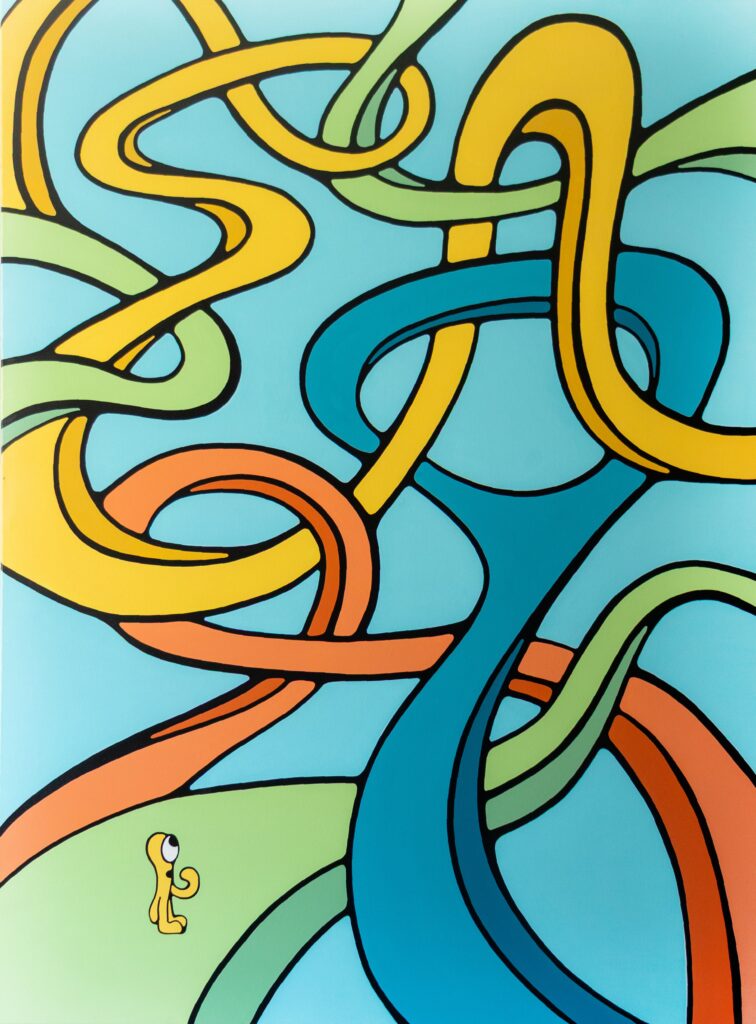
LIKHANG SINING means “creation of art.” The exhibition runs November 13 through December 23 and includes painting, ceramics and mixed media. Its emphasis on contemporary voices leaves room for identity to evolve. Cultural roots inform the work while each artist decides how to carry them forward.
For Filipino American painter Joshua Orozco, that exploration involves “the quiet power of observation, identity, and memory.” Orozco recently received Best in Show at the PROUD+ exhibition earlier this year at The Studio Door. His approach offers an invitation to slow down and consider the personal experiences behind the work.
He joins Bella Bowman, Jacel Bulatao, Xyryl Clark, Missy Galang, Jamie Leynes, Alyssa Navalta, Gracia Navarro, Lauren Reed and Jonalyn San Diego. Together, these artists offer different perspectives on Filipino heritage and contemporary life. Viewers have an opportunity to discover the distinctions among them and begin conversations of their own.
Our LGBTQ community knows the value of being seen and represented. Welcoming Filipino artists into Hillcrest extends that recognition to another community and gives us an opportunity to offer support for their work.
The neighborhood’s creative identity grows with the artists we make room to see.
The opening reception on Saturday, November 14 from 6 to 9 p.m. offers an opportunity to meet the artists and discuss their work. The exhibition coincides with the gallery’s Holiday Art Market, including Shop Small Saturday on November 28 and Last Minute Shoppers on December 12. Artwork purchases support the participating artists and The Studio Door.
The Studio Door is at 3867 Fourth Avenue. Admission is free. Gallery hours are Tuesday through Saturday from 11 a.m. to 6 p.m. Visit thestudiodoor.com for details.
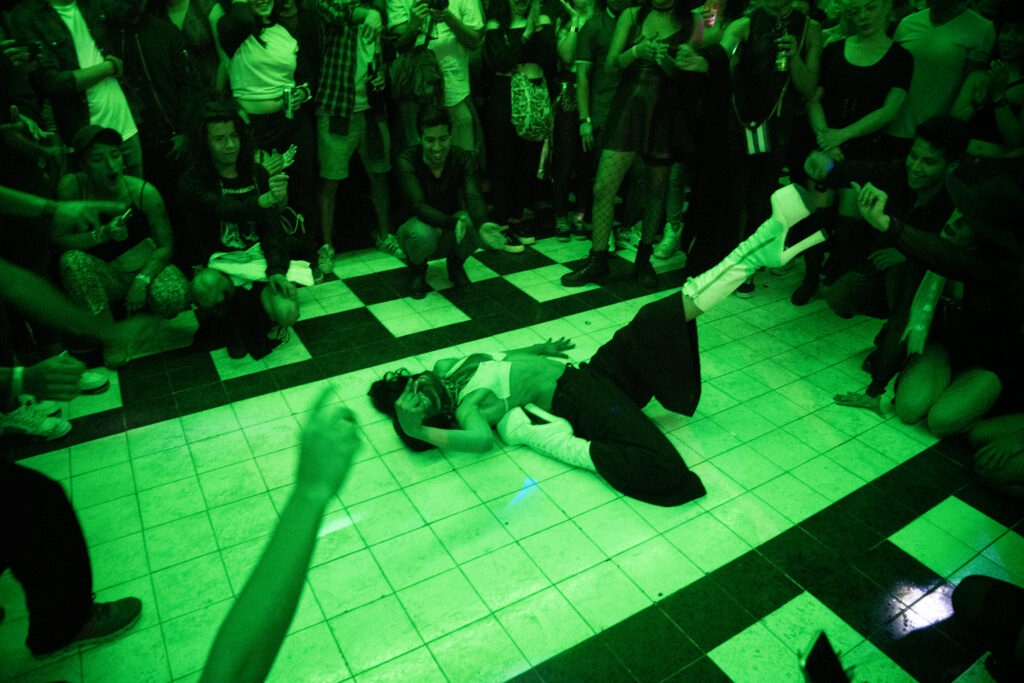
Queer Nightlife Comes to La Jolla
A night at a queer club can stay with us for a lifetime. Seeing those experiences take their place in an art museum carries a power of its own.
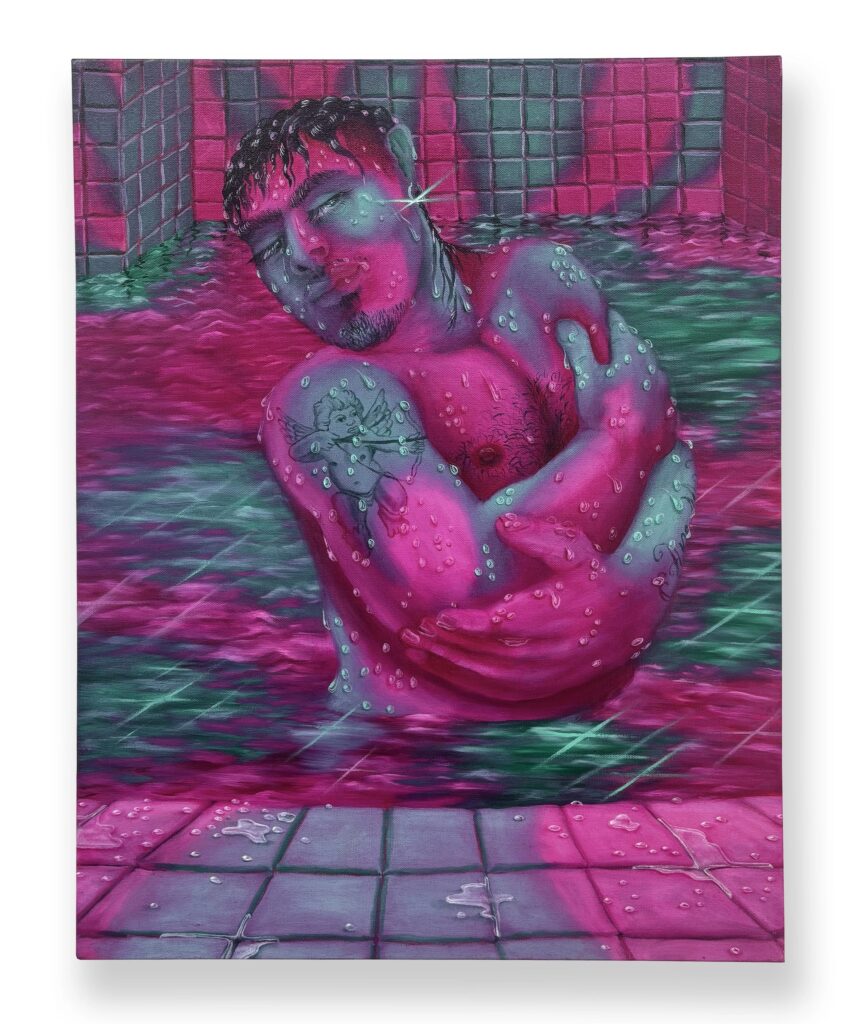
At the Museum of Contemporary Art San Diego, Visiones Nocturnas: Queer Nightlife in Contemporary Artbrings queer Latine and Latin American perspectives into a major La Jolla institution. Curated by Associate Curator Amy Crum, the exhibition features artists working from the 1990s to the present and remains on view through January 17, 2027.
Visiones Nocturnas explores dance clubs, dive bars, backyards and bathhouses as places of queer joy, community and possibility. The work considers what draws us to these spaces and what stays with us after the evening ends.
The museum brought that spirit into its opening celebration with music, performances and dancing. Last month they participated in a presentation at The Brass Rail in collaboration with Lambda Archives that extended the conversation into Hillcrest, connecting San Diego’s queer nightlife history to the exhibition. Additionally, they made the exhibit the catalyst for Art of Pride’s first fundraiser.
Crum explained why this subject demands attention now: she pointed to the anniversary of the Pulse nightclub shooting, violence directed at a gay club in Tucson, and anti-LGBTQ legislation.
“With this in mind, it comes as no surprise that an abundance of artists have been taking up this subject over the last 10–15 years,” she said.
The exhibition also considers what remains when gathering places disappear. Photographs and other traces of nightlife preserve experiences that might otherwise vanish from public memory.
“Treating it as an important marker of queer belonging worthy of remembrance counters some of the archival absences that have erased queer and Latine figures from history,” Crum explained.
For some of these artists, collecting that history is part of making art. Their work brings overlooked experiences into view and gives them a place within an institution that can help preserve them.
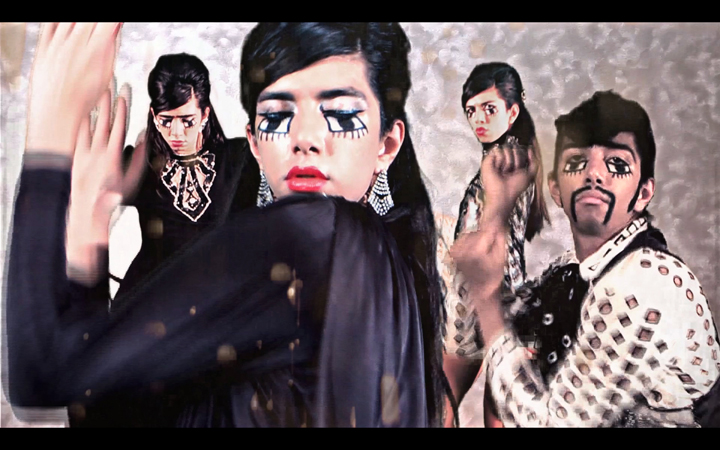
The exhibition emerged from Crum’s encounter with Andres Payan Estrada’s work. His project gives the show its title and draws on a decade of photographic research into queer nightlife along the U.S./Mexico border. The museum presentation includes an expansion highlighting local nightlife.
San Diego’s proximity to Tijuana and MCASD’s history with border art helped shape the exhibition. Crum also saw connections between the physical border and the boundaries placed around identity, including how people challenge or reshape them.
Featured artists include Laura Aguilar, Vani Aguilar, Juan Arango Palacios, Amina Cruz, Martine Gutierrez, Jesús Hilario-Reyes, Xandra Ibarra, Teresa Margolles, Xelestial Moreno-Luz, Andres Payan Estrada, Guadalupe Rosales, Joey Terrill and Isa Ybarra.
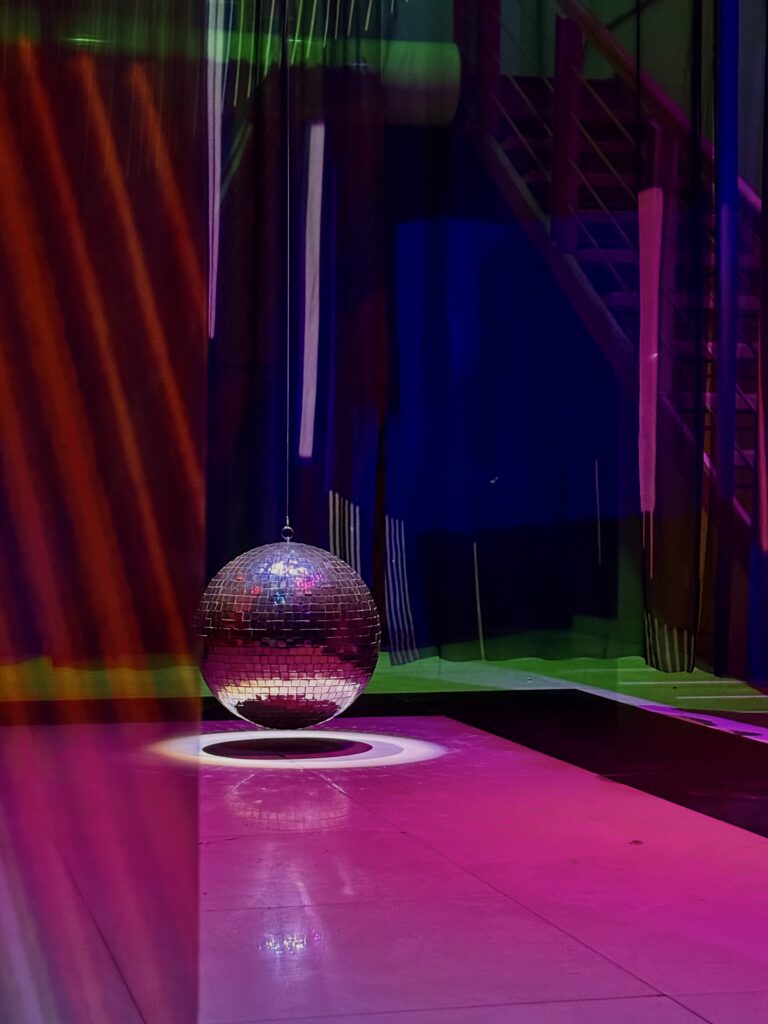
Through photography, painting, video and installation, their work offers different ways into the experience of queer nightlife. Some visitors will encounter unfamiliar histories. Others may remember a favorite venue or the feeling of finally finding a crowd where they belonged. Bringing those experiences into La Jolla broadens the picture of whose lives belong in a museum exhibition.
“I hope that queer audiences of all kinds can come and see their stories, their resilience and the power of their joy reflected back to them,” Crum said.
Visiones Nocturnas is on view at MCASD, 700 Prospect Street in La Jolla. Visit mcasd.org for admission information and details.
We already know that the LGBTQ community spans cultures and backgrounds. Making room for that diversity in our galleries and museums helps us understand one another and strengthens the connections that bring the world a bit closer. Please take time to participate and support both of these special exhibits.