

A Night in Pink, 50 Years Strong: Andrew Picard and the Heart Behind Stepping Stone
By Cesar A Reyes
For 50 years, Stepping Stone of San Diego has been a place people arrive at when life has come undone, and a place they begin to rebuild it. Long before conversations about inclusive care became more common, Stepping Stone created a model centered on LGBTQ+ people navigating addiction, trauma, and isolation. Today, as the organization marks its 50th anniversary, that mission feels less like a legacy and more like a lifeline that has never stopped being needed.
Andrew Picard, the organization’s Executive Director, sees that history not as something distant, but as something still unfolding every day. “Stepping Stone has been that kind of place… a place where people do not have to choose between getting help and being themselves,” he says. It’s a simple idea, but for many who come through its doors, it’s the first time they’ve experienced anything like it. The organization provides addiction recovery, mental health care, housing support, and HIV-related services—all free of charge. But what people often remember most is harder to quantify. “For many of our clients, it is the first place where they feel fully understood,” Picard says. “That kind of belonging can save lives.”

The timing of this milestone is not lost on him. In a region where overdoses have surged since COVID and fentanyl continues to devastate communities, the need has only intensified. LGBTQ+ individuals still face disproportionately high rates of substance use, mental health challenges, and homelessness—often rooted in rejection, discrimination, and trauma. “Those are not abstract issues,” Picard says. “They are lived realities.” The fact that Stepping Stone has spent five decades meeting those realities head-on is, in itself, remarkable. The fact that it remains one of the only organizations in the country doing this work in such a comprehensive, affirming way makes its presence even more critical.
Anniversaries often invite reflection, but for Picard, the most powerful reminders of Stepping Stone’s impact don’t happen at formal celebrations. They happen unexpectedly, out in the world. “My favorite memories are the before and afters,” he says. He talks about running into former clients—people who once walked through the program in crisis—now living in their own apartments, holding jobs, finding stability and peace. “You are not just running programs,” he says. “You are witnessing people reclaim their lives, their confidence, and their future.” Those moments feel like living proof of what 50 years of consistent, compassionate care can do.
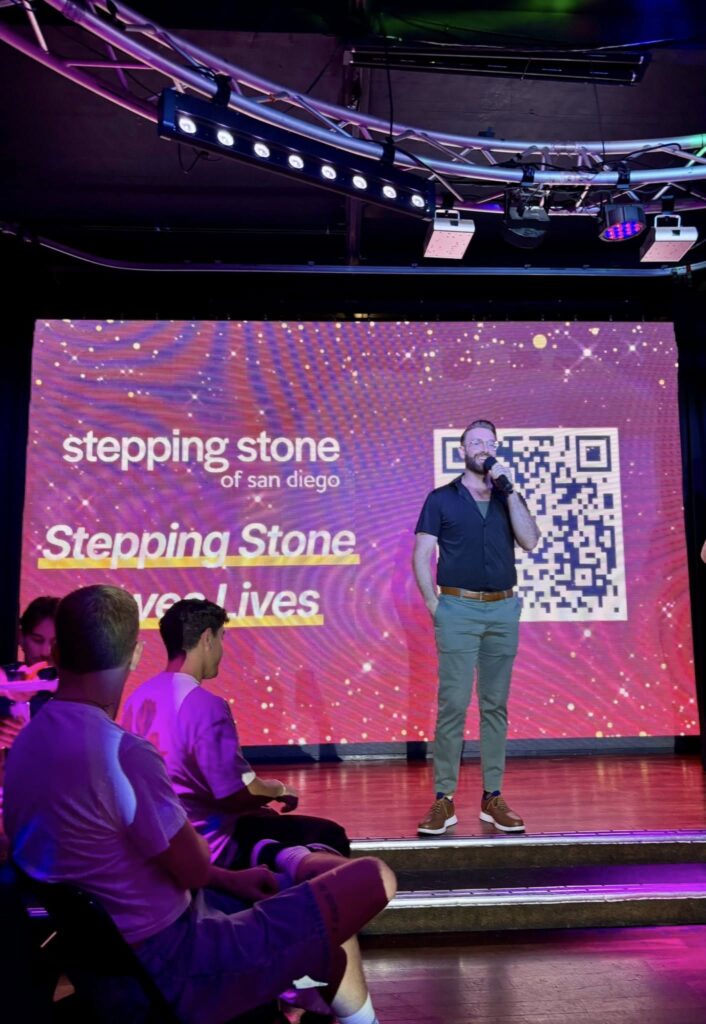
That impact is also what fuels one of the organization’s most visible celebrations: the annual Pink Gala. More than just an anniversary event, the gala is a critical fundraiser that helps sustain the very programs that have defined Stepping Stone for half a century. Every ticket, every donation, every show of support helps ensure that someone in crisis can access treatment, housing, and care without cost. It is a night that honors how far the organization has come, while directly investing in the lives it will save next—a reminder that community support is what keeps the doors open.
That history also carries a responsibility. As Stepping Stone looks ahead, the goal isn’t simply to preserve what’s been built, but to expand it in ways that meet the urgency of now. There is a need for more outpatient services, more sober living beds, more access points for people who might otherwise fall through the cracks. “I hope we continue to grow in a way that meets the urgency of this moment while staying deeply rooted in who we are,” Picard says. Growth, in this sense, isn’t about becoming something new—it’s about making sure more people can find their way to what already works.
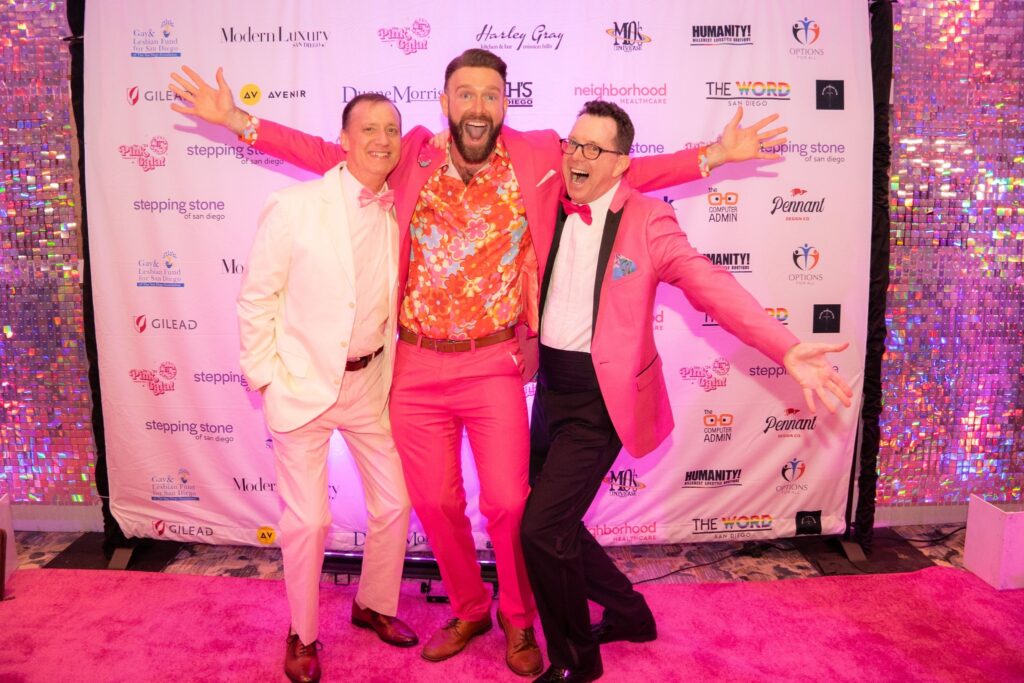
Fifty years in, Stepping Stone is still defined by something deeply human: the ability to offer not just services, but a sense of place. When Picard is asked to distill the organization into a single WORD, his answer feels especially fitting for a milestone like this. “The word is HOME,” he says. It’s a word that carries the weight of every person who has walked through those doors unsure if they would make it—and every person who walked back out with a second chance.