

Shine On: KishaLynn Elliott’s Leadership, Legacy, and the Future of San Diego Pride
By Cesar A Reyes
KishaLynn Elliott remembers the first time she stood in a Pride crowd and felt both invisible and completely seen. The music was loud. The flags were everywhere. Joy pulsed through the streets. And yet she clocked what many Black queer women quietly notice — who was on stage, who was in charge, who was being centered. Years later, standing at the helm of San Diego Pride, she carries that memory with her. Not as resentment. As fuel. “My name is KishaLynn Elliott,” she says. “I am a longtime nonprofit executive and community leader with more than twenty years of experience leading mission-driven organizations and building strong operational foundations.” This role is about the arc of a life that has been moving steadily toward this moment.
For the past fourteen years, San Diego has been home — the place where she has organized, built coalitions, raised her son, and stretched herself as a leader. When she stepped into the role of Executive Director at San Diego Pride, it was not a career pivot but a continuation. “Stepping into this role with Pride feels both deeply personal and aligned with the work I have been doing for decades,” she says. And then she pauses, because what this moment represents is larger than any résumé line.
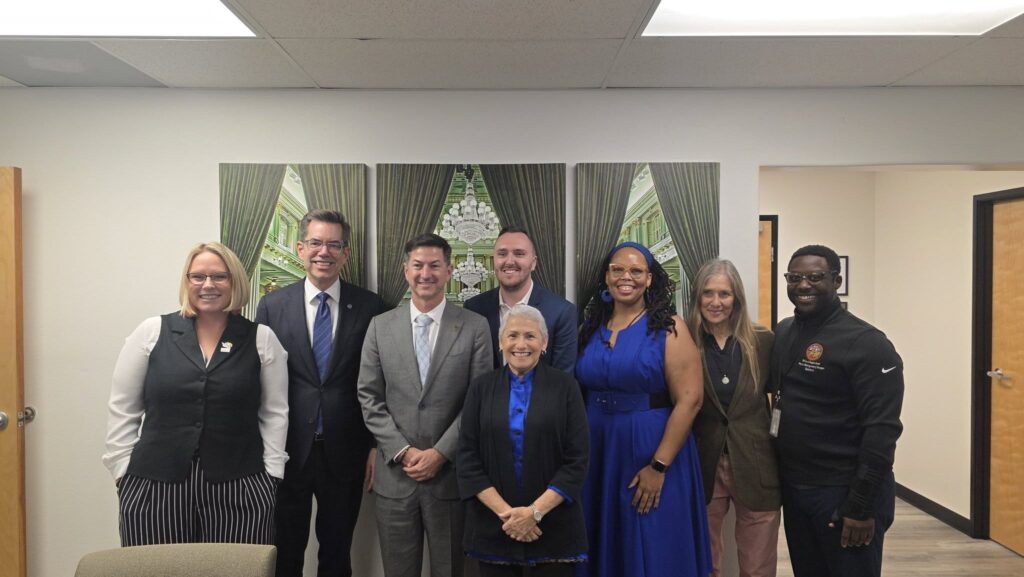
As the first Black lesbian to permanently lead San Diego Pride, Elliott understands the weight and the wonder of being “first.” “Being the first Black Lesbian to serve as permanent Executive Director of San Diego Pride carries meaning beyond me,” she explains. “Representation matters.” She does not say that lightly. She knows how often leadership in major institutions fails to mirror the communities it celebrates. “When leadership reflects the full diversity of the people it serves, it signals possibility.”
She is careful not to erase the leaders who came before her. “I do not take the language of ‘first’ lightly. Every leader before me made history in their own way.” Still, she knows what it means for a Black queer woman to hold one of the most visible and political roles in the region’s LGBTQIA+ movement. Somewhere, a young Black girl who loves girls will see her and recalibrate her understanding of what is possible. Somewhere, a seasoned activist who has felt unseen will feel acknowledged. “I understand that my presence alone sends a message,” she says. “Identity is political whether we intend it to be or not.”
That awareness shapes how she leads. Elliott has spent more than twenty years in education leadership and LGBTQ activism, guiding organizations through crisis, growth, and reinvention. She has worked with young people and families navigating housing insecurity. She has stabilized budgets, rebuilt fractured teams, and restored trust in institutions that had lost their footing. “Twenty years of mission-driven leadership has prepared me to lead organizations through complexity,” she says.
But when she strips away the language of boardrooms, what she is really talking about is care. She believes in strong systems because she has seen what happens when they fail vulnerable people. She believes in restorative practice because she has watched harm ripple when accountability is absent.
Her activism runs deep. Through her work with Black Lesbians United and as co-founder of Black Leadership and Abundance Center, she has stayed close to the lived realities of Black queer communities. “Trust must be built across lines of intersectional identity and lived experience,” she says. That word — intersectional — is not academic for her. It is daily life. It is navigating race, gender, sexuality, motherhood, and leadership in spaces that have not always made room for all of those identities at once.
When she interviewed for the Pride role, she did not promise fireworks. She promised steadiness. “I made a clear commitment to be the restorative leader who will permanently stabilize this organization and fund the mission for the next 50 years.” Stabilize. Heal. Sustain. Those are her verbs. She wants Pride to feel less like a moment and more like a movement. “Pride is not just an annual celebration,” she says. “It is a year-round organization with real responsibility to this community.”
Success, in her eyes, is not measured only by parade attendance or festival stages. “Success means San Diego Pride feels like a true sanctuary of belonging for everyone it represents,” she says. She talks about safety in a way that makes it clear she has thought about it deeply — not just physical safety, but emotional and cultural safety. A place where people feel seen. Where elders and youth, trans folks and allies, longtime activists and first-time attendees all feel like they belong.
Financial strength matters too, not as an abstract goal but as freedom. Sustainable revenue means independence. Independence means the ability to fund grassroots partners, respond to crises, and stay resilient when political winds shift. And the winds are shifting. Across the country, LGBTQIA+ rights face renewed challenges. Elliott does not pretend otherwise.
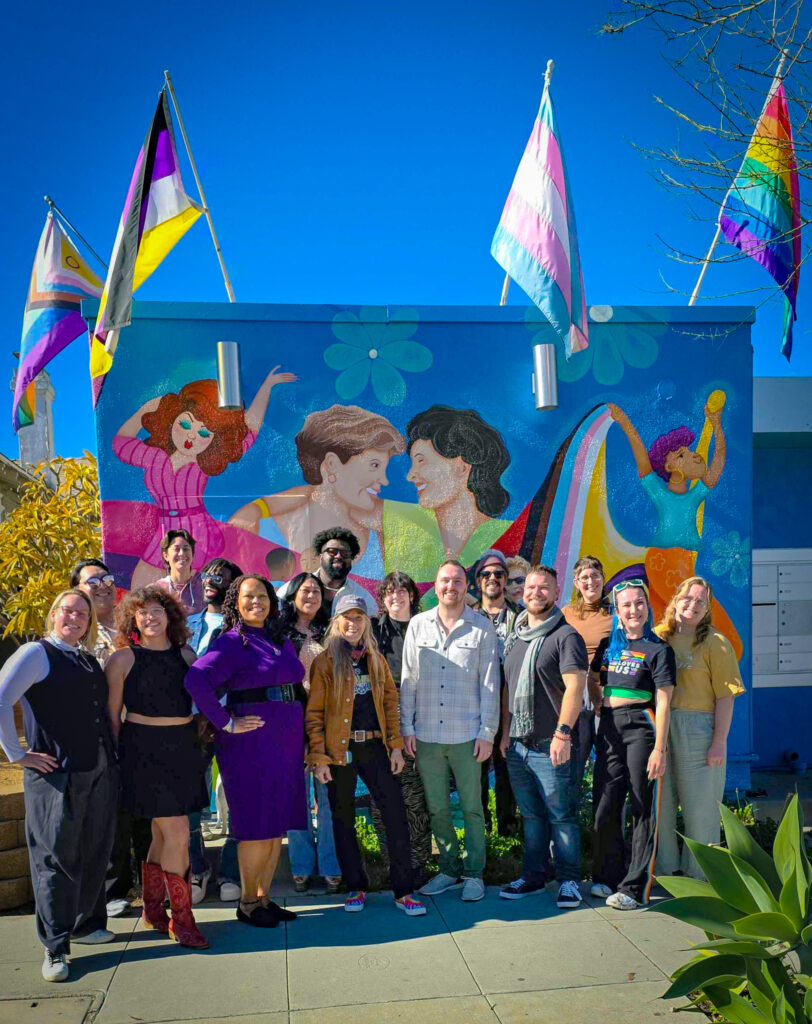
Instead, she returns to the theme that now anchors this year’s festival: “Pride Shines On.” When asked to choose a WORD that represents the event, she does not hesitate. “The WORD is SHINE ON,” she says, and her voice lifts. “Because that’s what we do. It’s what this community has always done.” She speaks of joy as resistance. “Our visibility does not dim when the climate shifts. Our joy is not erased by adversity. Our movement continues.”
To shine on, in her view, is disciplined hope. It means strengthening what is fragile, repairing what has been fractured, and refusing to disappear.
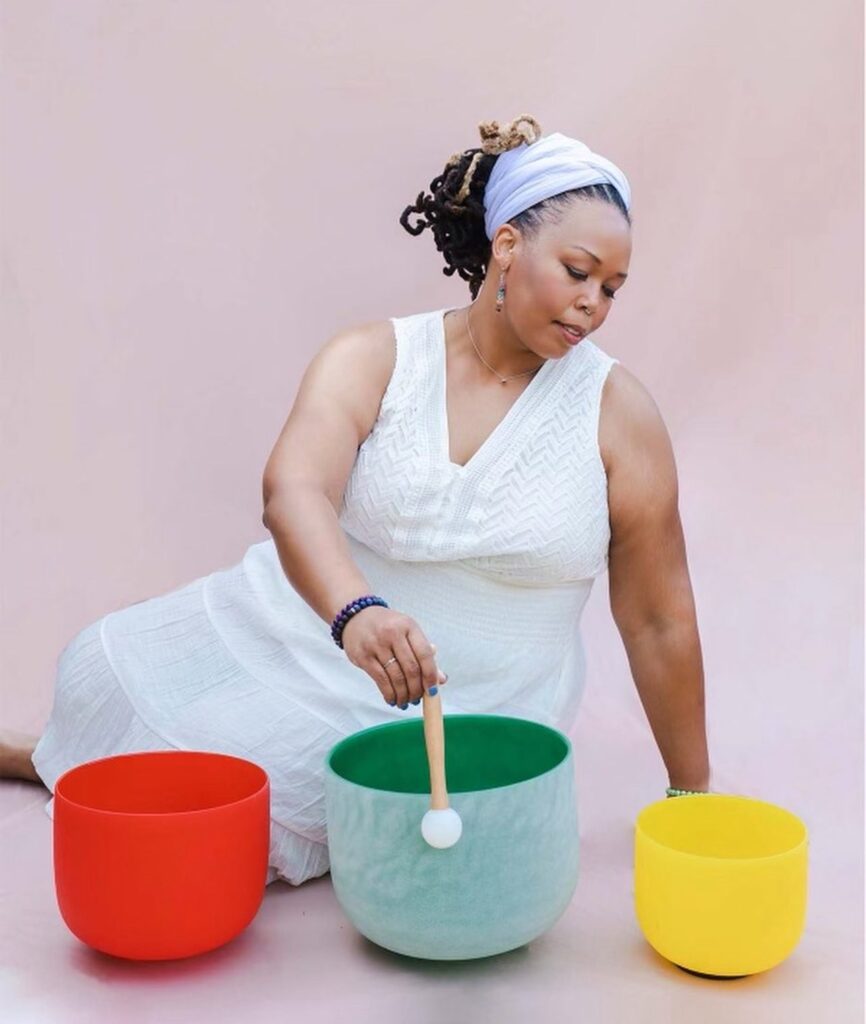
Outside of her executive role, Elliott is an artist — and that word lights her up. “Art first, art always,” she says with a grin. Writing is her primary medium, but she has expanded beyond the page into dance, music production, and performance. “I am a woman of words and I take that craft seriously.” Creativity is the fuel for her achievements.
Over the past decade, she has built coaching, publishing, and healing-centered ventures to support other creatives and leaders. “The things I create do not drain me,” she says. “They restore me.” That restoration is essential because the work she does is heavy. It asks her to hold community pain and possibility at the same time.

At the center of it all is her family. She speaks of her wife and son with softness. “My family is my foundation. My wife and son are my home team.” They have watched her navigate late nights, tough decisions, and public scrutiny. They have seen her grow.
“I began my career wanting to make the world better for myself,” she reflects. “Today, I do this work so that my child, and all children, can grow up in a world that is ready to hold them with dignity and safety.” That shift — from self to legacy — hums beneath everything she does. Leading Pride is not about prestige. It is about creating a future where her son can look around and see a community that knows how to protect and celebrate its own.
In Elliott’s presence, the word “executive” feels less corporate and more communal. She talks about budgets and sustainability, yes, but she also talks about healing. She talks about belonging like it is oxygen. She talks about shining as survival.
And when she says, “This moment is not about me. It is about what this representation makes possible for the movement,” you believe her. Because she has already spent two decades doing the quiet, unglamorous work of building foundations. Now, with the spotlight on her, she intends to use it the same way she has always used her voice — to steady the ground, widen the circle, and remind a community that no matter the season, it can and will shine on.